FCL Versus LCL Shipping Costs for Importers
A container that appears cheaper on a freight quote can become the more expensive option once handling, storage, customs timing, and delivery requirements are considered. FCL versus LCL shipping costs should be evaluated against the full landed cost of the shipment, not only the ocean freight line on a quotation.
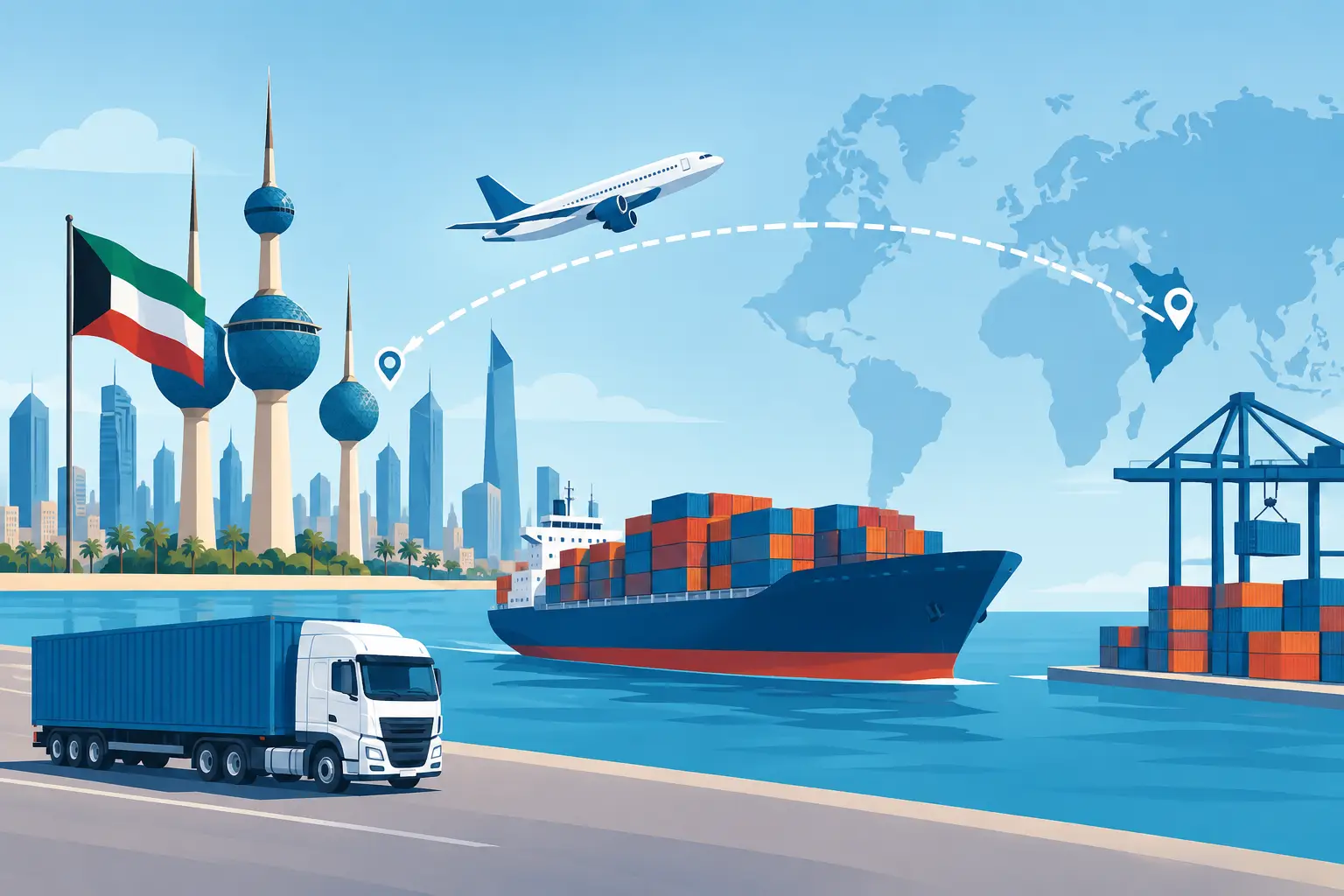
For importers moving cargo into Kuwait or across GCC trade lanes, the right choice depends on shipment volume, cargo value, delivery deadlines, and how much control the business needs over the freight process. A partial container can be the right answer for a smaller order. A full container can protect both cost and continuity when volume or urgency increases.
What FCL and LCL Mean
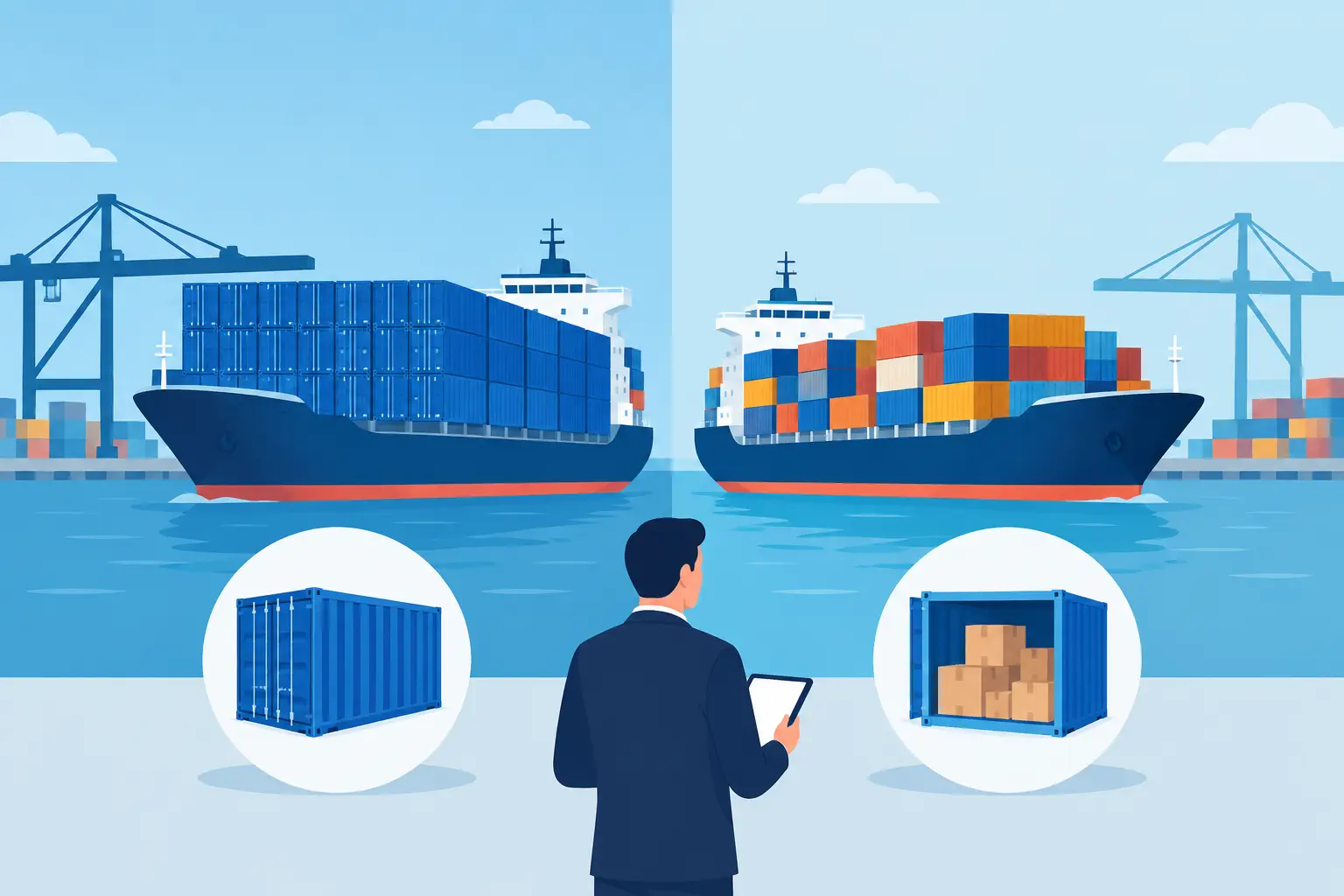
FCL, or Full Container Load, means a shipper reserves an entire container. The container may be 20 feet, 40 feet, or 40-foot high cube, depending on cargo volume and equipment availability. The shipper pays for use of the container, whether it is fully packed or not.
LCL, or Less than Container Load, means several shippers’ cargo is consolidated into one container. Each shipment is charged according to its volume, commonly measured in cubic meters, or its chargeable weight where applicable. The freight forwarder manages consolidation at origin and deconsolidation at destination.
The practical difference is control. With FCL, cargo is loaded, sealed, and moved as one shipment. With LCL, cargo must be received at a consolidation warehouse, loaded with other freight, unpacked at destination, sorted, and released separately. That additional handling affects both price and timing.
FCL Versus LCL Shipping Costs: The Main Difference
FCL pricing is generally container-based. The rate covers the ocean movement of the container between ports, then origin and destination charges are added according to the shipment terms. The total may look high at first, but the cost per unit often declines sharply as the container fills.
LCL pricing is generally volume-based, with charges calculated per cubic meter or per revenue ton. This makes LCL attractive when an order is too small to justify paying for unused container space. However, LCL also involves consolidation, warehouse receiving, documentation handling, destination unpacking, and cargo release charges. These fixed local charges can have a major effect on small and medium shipments.
A useful way to view the decision is this: LCL usually reduces the upfront freight commitment, while FCL often lowers the cost per carton, pallet, or product unit once cargo reaches a certain volume. The exact break-even point changes by route, carrier, season, commodity, and destination handling costs.
| Cost factor | FCL | LCL | |—|—|—| | Ocean freight basis | Per container | Per cubic meter or revenue ton | | Origin handling | Usually lower per unit | Consolidation and receiving charges apply | | Destination handling | Container delivery and return process | Deconsolidation and cargo release charges apply | | Cargo handling | Lower, usually loaded once and unloaded once | Higher, with multiple warehouse handling stages | | Cost efficiency | Best for larger volumes | Best for smaller, lower-volume shipments |
Why the Lowest Freight Rate Is Not Always the Lowest Cost
Ocean freight is only one part of the landed cost. An LCL quote may show a low rate per cubic meter but carry destination charges that are relatively high compared with the cargo value. This is especially relevant for dense, low-margin goods, promotional stock, and products with a large number of cartons but limited commercial value.
FCL shipments can also create avoidable cost if the container is underused. Paying for a 40-foot container to move a small shipment may tie up working capital and increase inland transportation expense without providing enough operational benefit.
The more accurate comparison includes the cost of freight, port and terminal charges, documentation, customs clearance, trucking, warehouse handling, cargo insurance, and any storage or demurrage risk. For businesses managing recurring imports, inventory carrying cost also belongs in the calculation. Waiting for enough cargo to fill a container can reduce freight cost per unit while creating stock shortages, lost sales, or production delays.
Handling, Transit Time, and Cargo Risk
LCL freight often takes longer than FCL, even when both move on the same vessel. Cargo must meet the consolidation cut-off before departure, then be unloaded and separated after arrival. If one shipment in the consolidated container has a documentation issue, inspection requirement, or cargo discrepancy, the release process for other shipments may be affected.
FCL offers a more controlled flow. The container is sealed after loading and remains sealed until destination delivery or authorized customs inspection. This reduces touchpoints and can lower the risk of carton damage, loss, or cargo mix-ups. It is often the stronger option for fragile goods, high-value products, branded retail inventory, or time-sensitive replenishment stock.
That does not mean LCL is unsuitable for commercial cargo. It is a practical service for product testing, new supplier orders, spare parts, samples, and regular low-volume purchasing. The key is to plan for its additional handling time and ensure packaging is suitable for consolidation. Cartons should be strong, clearly marked, and properly palletized where needed.
When FCL Is Usually the Better Financial Choice
FCL becomes more competitive as shipment volume grows. There is no universal cubic-meter threshold because rates and local charges change, but importers should request both options when cargo begins to occupy a meaningful share of a 20-foot container.
FCL is often the better choice when the shipment is approaching container capacity, the cargo has a high value, or the business needs a predictable arrival and delivery process. It also suits importers who need to move goods directly into their own warehouse, distribution center, or project site without waiting for LCL deconsolidation.
For retailers and e-commerce operators, FCL can support better inventory planning during seasonal demand periods. A single container arrival is easier to schedule into warehouse receiving operations than multiple fragmented releases. For industrial and B2B shipments, it can also reduce the operational risk of missing components arriving separately.
When LCL Is the Smarter Option
LCL makes commercial sense when purchasing volume is genuinely small and there is no business case for holding extra inventory. It allows importers to buy closer to actual demand, test suppliers before committing to larger orders, and bring in a broader product assortment without filling a container with one category.
It can also support cash flow. Rather than placing a larger purchase order merely to fill a container, a business can import the quantity it expects to sell or use. This approach is useful for startups, project-based buying, replacement parts, and businesses launching new SKUs.
The discipline is to compare complete door-to-door quotations. Ask whether the quoted LCL amount includes origin receiving, export documentation, destination deconsolidation, customs clearance support, delivery, and storage limits. A quote that leaves local charges unclear can make budgeting difficult after the cargo arrives.
Build the Comparison Around Your Operation
The right shipping mode is rarely decided by volume alone. Before confirming a booking, review these operating questions:
- How many cubic meters, pallets, and cartons are moving?
- What is the cargo value, and how sensitive is it to damage or delay?
- Is the shipment replenishing active stock, supporting a project, or testing demand?
- Can the receiving warehouse handle a full container delivery?
- What are the likely customs, terminal, and destination handling charges?
A reliable freight partner should provide a clear comparison rather than steering every shipment toward one mode. The goal is not simply to secure container space. It is to select a shipping plan that protects delivery performance, cash flow, and cargo condition.
For businesses importing into Kuwait and serving GCC markets, K-Line can coordinate sea freight, customs clearance, warehousing, and final delivery as one managed process. That visibility is valuable when the decision between FCL and LCL affects not only freight cost, but also warehouse capacity and customer delivery commitments.
Before your next purchase order is finalized, obtain both FCL and LCL landed-cost scenarios using the actual cargo dimensions and required delivery date. A clear comparison at the planning stage gives your team more control than a cheaper-looking quote discovered too late.