A Cross Border Shipping Example From Kuwait
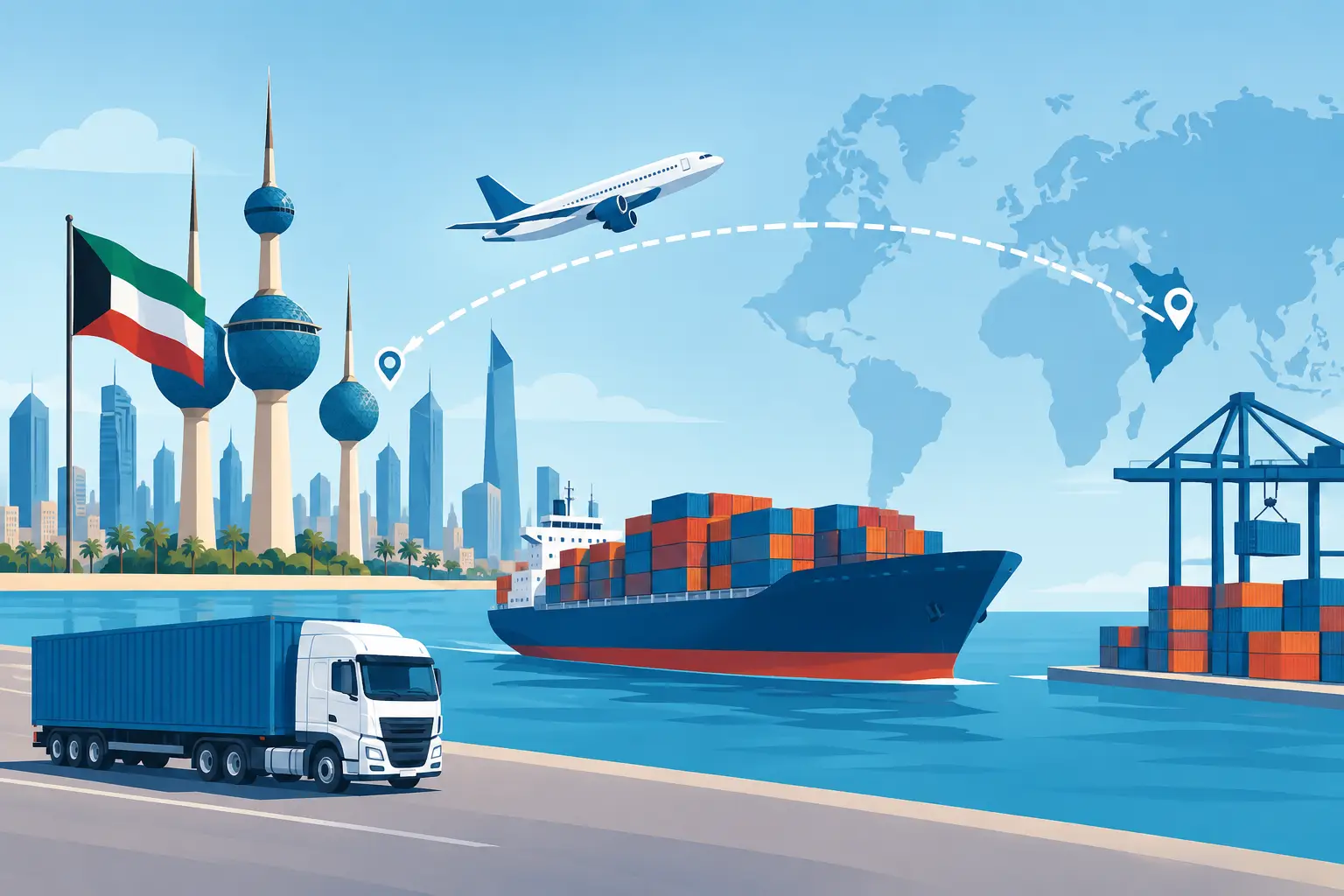
A cross border shipping example is most useful when it reflects the decisions operations teams make under real delivery pressure: what moves first, which documents must match, where cargo can be held, and who owns the next action if clearance is delayed. Consider a Kuwait-based retailer replenishing a Saudi Arabia distribution point with fast-moving personal care products before a promotional weekend.
The shipment is not exceptionally large, but it is business-critical. It consists of 12 palletized cartons, with mixed SKUs, a declared commercial value, and a required delivery date four working days from pickup. The retailer needs inventory available for regional order fulfillment, not simply delivered to a border.
Cross border shipping example: Kuwait to Saudi Arabia
The retailer sends its purchase order, packing details, product descriptions, and target delivery date to its logistics provider. Before a truck is booked, the provider confirms the shipment profile: total weight and dimensions, commodity classification, country of origin, value, importer details, and whether any product requires special approvals or labeling.
This early review protects the schedule. A vehicle can leave Kuwait on time and still lose days at the border if the commercial invoice describes goods too generally, the packing list does not match the physical cargo, or the importer’s registration details are incomplete.
For this shipment, road freight is selected. It offers practical transit time and cost control for palletized cargo moving within the GCC. Air freight could reduce transit time for a smaller emergency replenishment, while sea freight may be more economical for larger, less urgent volumes. The right mode depends on cargo urgency, shipment size, border conditions, and the cost of stock being unavailable at the destination.
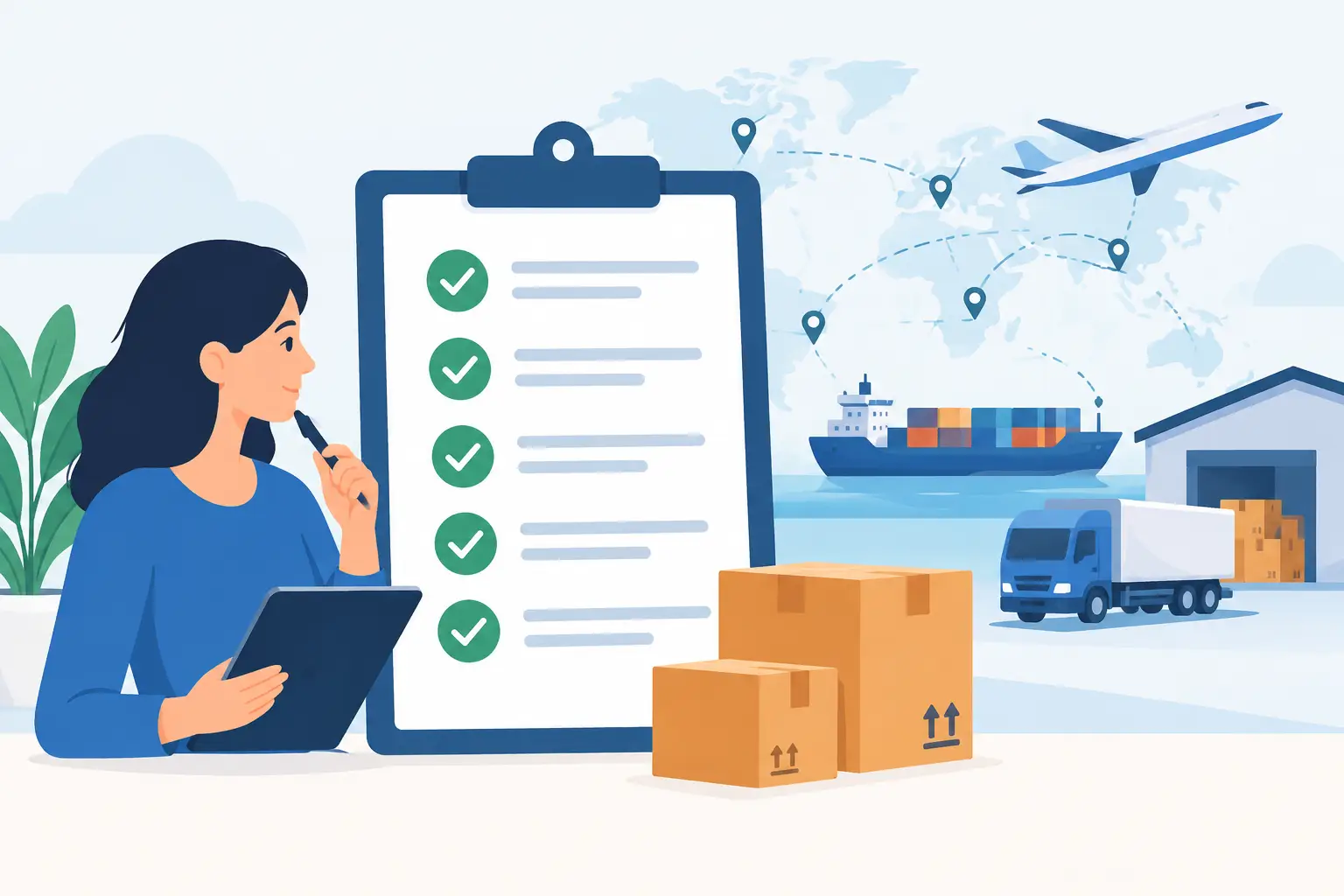
Step 1: Prepare the shipment for controlled movement
The warehouse team counts each carton, checks the SKU labels, and builds stable pallets. Each pallet is wrapped, marked with the consignee details, and assigned a shipment reference. The final packing list records carton count, gross weight, net weight, dimensions, and product quantities.
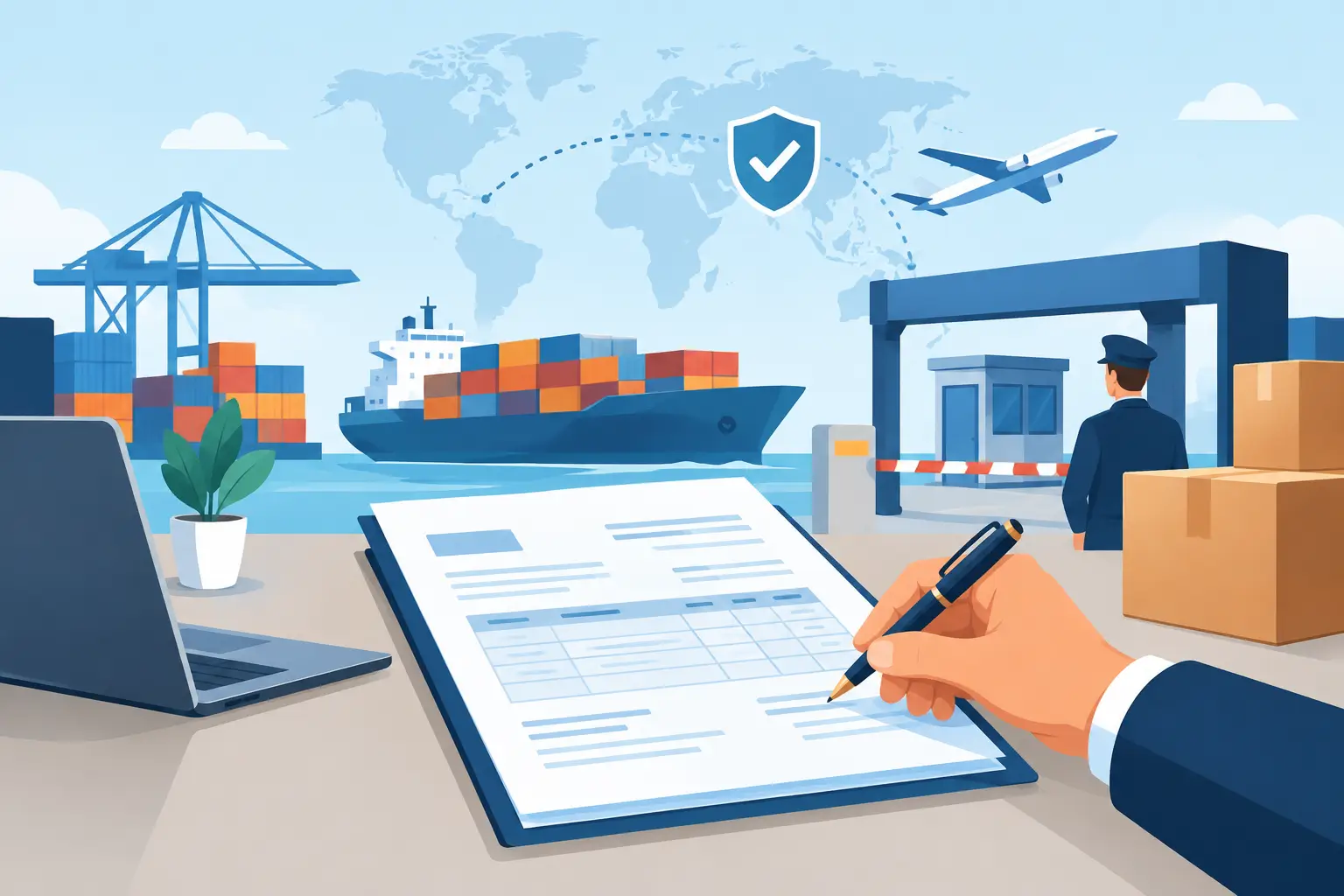
The shipper prepares a commercial invoice that clearly identifies the seller, buyer, goods, unit values, total value, currency, and applicable trade terms. Product descriptions need to be specific enough for customs review. “Personal care products” may not be sufficient if the load includes shampoos, body lotions, and cosmetic items with different classifications or requirements.
The freight forwarder also validates the export and import documentation required for the route and cargo. Depending on the goods, this may include a certificate of origin, product registrations, permits, conformity documentation, or other supporting records. Documentation requirements can change by commodity and destination, so using last month’s paperwork without review is a preventable risk.
Step 2: Collect cargo and manage the Kuwait export process
A scheduled truck collects the pallets from the Kuwait warehouse. At pickup, the driver or operations team confirms the carton and pallet count against the shipping documents. Any shortage, damage, or label discrepancy is recorded before the vehicle departs.
The shipment moves to the relevant export processing point, where the customs declaration and supporting documents are submitted. Clearance timing depends on cargo type, document quality, inspection selection, and operating conditions. A reliable plan allows time for these variables rather than treating border crossing as a fixed transit event.
For businesses moving frequent volumes, pre-shipment document review is one of the strongest controls available. It prevents a common operational failure: discovering a missing approval only after cargo is loaded and committed to a delivery schedule.
Step 3: Cross the border with clear status ownership
Once export formalities are completed, the vehicle proceeds toward Saudi Arabia. The logistics provider monitors the shipment against planned milestones: pickup completed, export clearance submitted, export clearance released, border arrival, import clearance in progress, clearance released, and final delivery dispatched.
Visibility matters because a status update without context is not enough for an operations manager. If the cargo is pending inspection, the customer needs to know whether action is required, what documentation is being reviewed, and the expected impact on delivery. If no customer action is needed, the provider should still communicate the revised plan and continue managing the exception.
In this example, Saudi import customs requests clarification on the description of one cosmetic SKU. Because the retailer had already shared product specifications and the invoice data is consistent with the packing list, the forwarder provides the required information quickly. The shipment is released without changing the final delivery date.
Step 4: Complete import clearance and destination delivery
After import release, the truck moves to the Saudi distribution point. The destination team receives an advance delivery notice with the expected arrival window, shipment reference, pallet count, and handling instructions. This is especially important when a receiving dock has limited appointment capacity or the cargo needs immediate put-away for e-commerce fulfillment.
At delivery, the consignee checks the shipment condition and signs proof of delivery. Any visible damage or count difference should be noted at the time of receipt, not raised days later when the cargo has already entered storage or been broken down for orders.
The logistics cycle ends only when the customer can act on the inventory. For this retailer, that means pallets are received into the Saudi facility, stock quantities are confirmed, and products are available for allocation to sales channels. Freight movement alone is not the full outcome.
The documents that determine whether cargo keeps moving
In cross-border shipping, documents are operational controls, not administrative extras. The exact requirements differ by product and country, but four records routinely need close attention:
- The commercial invoice establishes the commercial transaction, product value, seller, buyer, and goods description.
- The packing list supports physical verification by showing how the cargo is packed and counted.
- The certificate of origin may be required to confirm where goods were manufactured and support applicable customs treatment.
- Transport documentation connects the cargo to the carrier, route, and consignee details.
These records must agree. If the invoice shows 500 units, the packing list shows 480, and the physical count shows 500, customs processing may pause until the discrepancy is explained. Small inconsistencies create larger delays when they appear at a busy border crossing.
Cost control is more than choosing the lowest freight rate
The retailer in this example compares the road freight quote against the cost of an inventory shortage. A less expensive service with uncertain departure timing may not be the lower-cost choice if it causes missed sales, emergency air shipments, or disruption to marketplace commitments.
A complete shipping budget should account for transport, customs handling, duties and taxes where applicable, storage if cargo is held, inspection-related expenses, and final delivery. It should also consider the cost of poor planning, such as avoidable demurrage, rework, relabeling, or a second delivery attempt.
Consolidated road freight may reduce cost when a shipment is flexible on timing. Dedicated transport provides more control for urgent, high-value, or sensitive cargo. Neither option is automatically better. The shipment profile and service-level requirement should drive the decision.
Where cross-border shipments commonly fail
The most frequent problems are usually visible before the truck leaves. Incomplete importer details, vague product descriptions, mismatched values, missing approvals, weak packaging, and unrealistic delivery promises can all disrupt a shipment.
Border congestion and inspections are not always preventable, but their impact can be managed. Build lead time around critical launches, maintain accessible product records, and assign a clear internal contact who can approve or provide information quickly. For recurring lanes, track actual clearance and delivery performance rather than planning from ideal transit times.
Businesses also benefit from using one accountable logistics provider for freight, customs coordination, warehousing, and final delivery. K-Line can support this operating model by coordinating the movement and handling points that often become disconnected when multiple vendors manage a single shipment.
Turning one shipment into a repeatable process
After delivery, the retailer reviews the shipment: pickup timing, clearance duration, document questions, total cost, and receiving performance. Those results become the baseline for the next replenishment cycle.
A repeatable cross-border process does not remove every customs or transport variable. It gives your team the documents, visibility, storage options, and response ownership needed to keep those variables from becoming business interruptions. When the next priority shipment is due, preparation will matter more than speed alone.