Customs Brokerage Versus Self Filing for Importers
A shipment can be physically at the port or airport and still be unavailable for delivery. Missing product data, an incorrect tariff classification, or an unpaid duty can delay release and disrupt inventory plans. When assessing customs brokerage versus self filing, the practical question is not simply who submits the entry. It is who can manage the documentation, regulatory decisions, timing, and accountability required to keep cargo moving.
For businesses importing regularly, customs clearance is an operational function. The right approach depends on shipment frequency, product complexity, internal expertise, and the cost of a delayed delivery.
Customs Brokerage Versus Self Filing: The Core Difference
Customs self filing means the importer prepares and submits the required customs declarations directly to the relevant customs authority. The importer manages product classification, valuation, origin information, permits, duty calculations, supporting documents, and payment requirements. Depending on the country and filing system, the importer may also need approved access to electronic customs platforms or work through an authorized representative for specific actions.
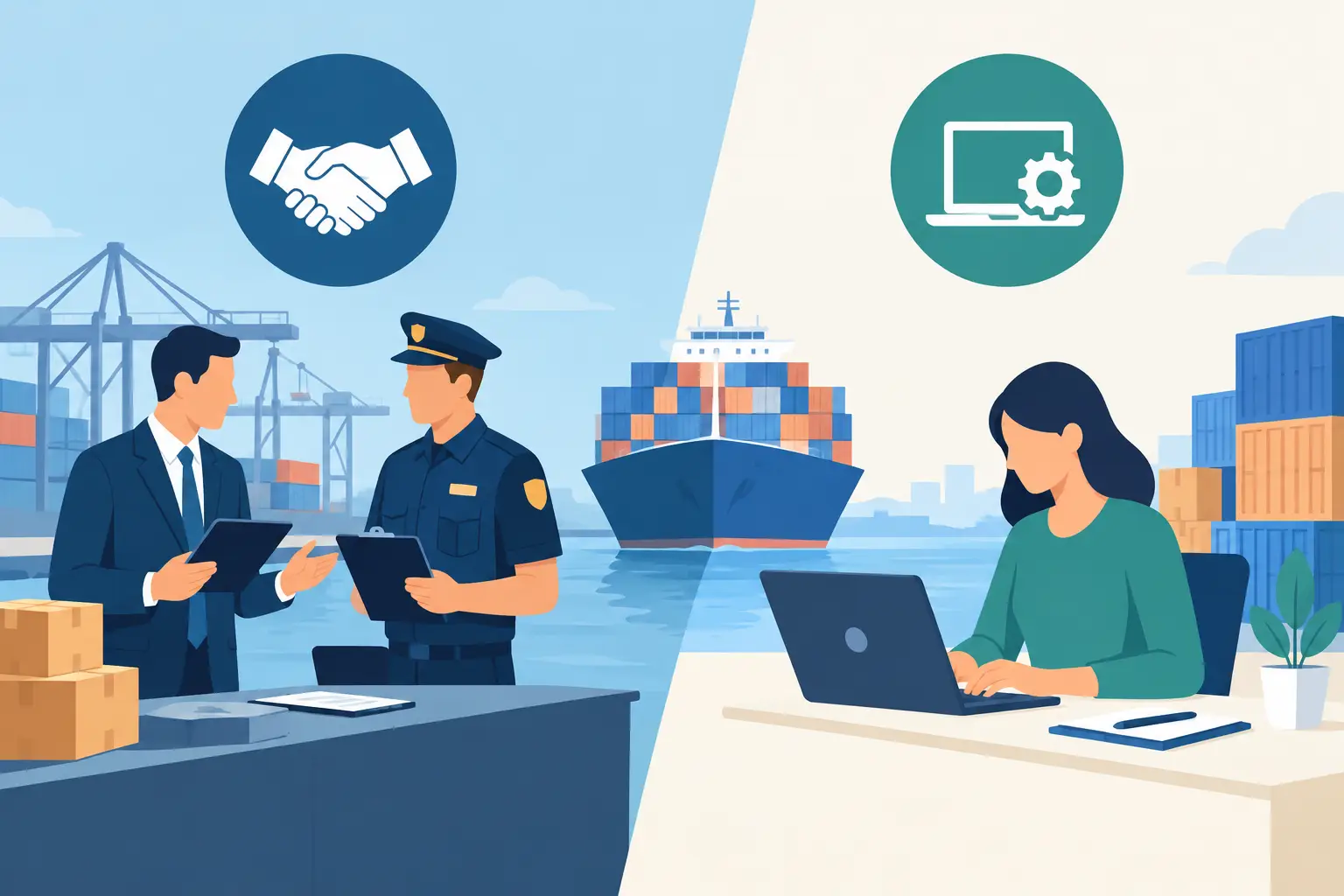
Customs brokerage means appointing a qualified customs broker or logistics provider to prepare and submit entries on the importer’s behalf. The broker reviews the shipment documents, applies the relevant customs requirements, communicates with authorities when questions arise, and coordinates release with freight and delivery operations.
A broker does not remove the importer’s legal responsibility. The importer remains responsible for the accuracy of declared goods, values, origin, and supporting records. What changes is the operating model: self filing keeps the execution in-house, while brokerage adds specialist capability and a clear point of coordination.
What Self Filing Requires From Your Team
Self filing can make sense for an importer with a stable product range, consistent suppliers, high internal compliance capability, and enough shipment volume to justify a dedicated process. It provides direct control over declarations and may reduce the visible per-entry service fee.
That apparent saving should be assessed against the full operating cost. A self-filing team needs current knowledge of customs rules, tariff schedules, valuation methods, origin requirements, restricted goods controls, and recordkeeping obligations. It also needs documented approval procedures so that commercial invoices, packing lists, certificates, and transport documents match before cargo arrives.
The work is rarely limited to entering data. A team may need to respond to customs queries, provide additional documents, correct an entry, arrange duty payment, or manage an inspection hold. If the responsible employee is unavailable during a time-sensitive arrival, the business still needs a reliable escalation path.
Self filing is most effective when it is treated as a controlled compliance function, not as an administrative task assigned to a busy purchasing or warehouse employee. For a company importing a narrow, repeatable set of goods, that investment may be justified. For changing product catalogs or irregular inbound shipments, maintaining the same level of control is harder.
What a Customs Broker Adds
A customs broker brings procedural experience to each entry. That includes reviewing documents for inconsistencies, identifying missing information before filing, applying classifications and customs requirements, and managing communications during clearance. The result is not a guarantee that every shipment avoids inspection or delay. Customs authorities can examine any shipment. It does reduce the risk of preventable errors reaching the border.
Brokerage is particularly valuable when the cargo involves multiple suppliers, varied SKUs, regulated products, temporary imports, special duty treatments, or tight delivery commitments. In these cases, clearance is connected to the wider supply chain. Freight arrival, document readiness, customs release, warehouse receiving, and last-mile delivery must be planned as one sequence.
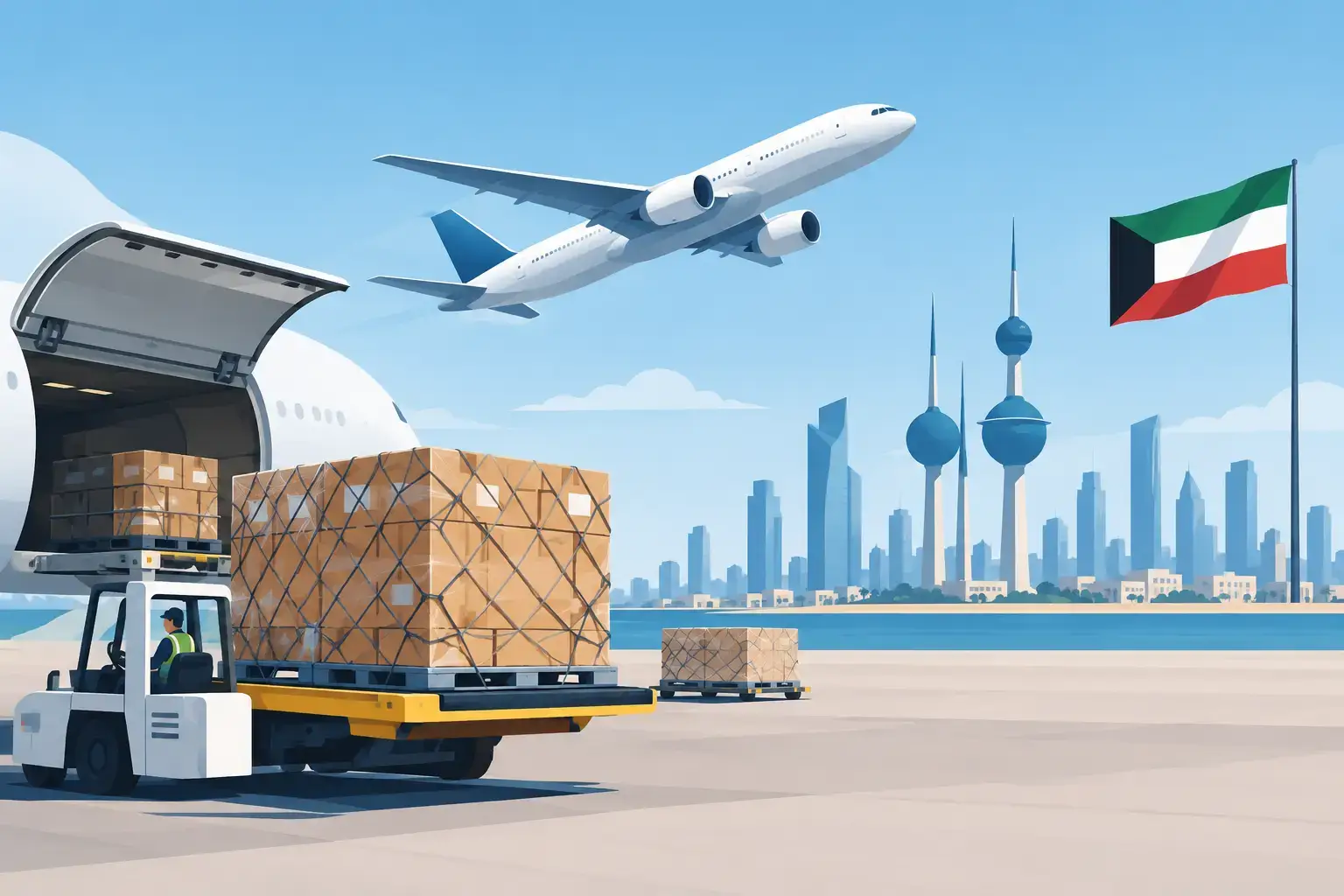
For importers using air freight for urgent replenishment or sea freight for containerized stock, a logistics provider can also coordinate the handoff after release. This avoids a common gap: cargo clears customs, but the consignee has not arranged collection, storage, delivery capacity, or receiving appointments.
At K-Line, customs clearance can be coordinated alongside freight forwarding, warehousing, and domestic delivery, giving business teams one operating contact across the movement of cargo rather than separate parties for each handoff.
Cost Is More Than the Brokerage Fee
The comparison often starts with the broker’s fee, but that is only one cost line. Self filing may avoid some external handling charges, while requiring internal labor, training, system access, document controls, and time spent resolving exceptions. Brokerage adds a direct service cost, but it can reduce the internal effort required for routine entries and help protect delivery schedules.
The greater cost can be an avoidable delay. If an incomplete filing holds high-demand inventory, the impact may include missed sales, production downtime, storage charges, detention exposure, expedited delivery costs, and customer service issues. For regulated goods, an incorrect declaration can also create penalties, post-entry corrections, or audit exposure.
A useful way to evaluate the options is to measure the cost of one delayed shipment against the annual cost of brokerage support. For businesses with time-sensitive inventory, the answer is often clearer than a simple comparison of filing fees.
Control, Visibility, and Accountability
Some importers equate self filing with maximum control. Direct access to the declaration process can be valuable, especially when an experienced trade compliance team needs immediate visibility into every entry. However, control only creates an advantage when the business has the capacity to use it consistently.
A well-managed brokerage arrangement can still provide strong visibility. The importer should receive clear status updates, copies of filed documentation, duty and tax information, release confirmation, and a process for escalating urgent shipments. The broker should also explain what information is required from suppliers and when it must be available.
The strongest model for many commercial importers is shared control. The business owns its product data, supplier instructions, values, origin records, and approval decisions. The broker manages filing execution, customs communication, and release coordination. Roles should be documented before the first shipment, particularly for who approves classifications, pays duties, responds to customs requests, and retains records.
Choosing the Right Model for Your Imports
There is no universal answer to customs brokerage versus self filing. The right decision depends on operational reality.
Self filing may suit your business if imports are predictable, products are straightforward, your team has customs expertise, and you can maintain coverage for every arrival and exception. It can also work well when customs compliance is already a dedicated internal department with established systems and controls.
Brokerage is generally the more practical choice when your shipments are frequent but variable, products and suppliers change, or delays would affect retail availability, production, project schedules, or customer commitments. It is also a sensible option for businesses entering a new market, where local procedures and documentation expectations may be unfamiliar.
Before selecting either approach, review your last several imports. Look for document corrections, clearance delays, unexpected charges, inspection requests, and time spent by internal staff. Those records will show where the actual risk sits.
Build the Process Before Cargo Ships
Whether you file directly or appoint a broker, clearance performance begins before the shipment departs. Suppliers should provide accurate commercial invoices, item descriptions, quantities, values, origin details, and packing information in a consistent format. Product master data should be maintained before purchasing orders are issued, not created under pressure after cargo lands.
Set internal deadlines for receiving documents and define who validates them. Confirm which party is responsible for permits, certificates, duty funding, and customs responses. For high-volume businesses, establish an exception process for document gaps and shipment holds so that operations, procurement, finance, and sales know who acts next.
The best customs process is the one that gives your team reliable release decisions without pulling focus from the business. Choose the model that matches your internal capability, then measure it by clearance accuracy, release timing, and the continuity of your supply chain.