Land Freight Across GCC for Business
A delayed truck at one border can disrupt store replenishment, production schedules, and customer delivery promises across multiple markets. That is why land freight across GCC is not just a transport decision – it is an operating decision that affects inventory flow, service levels, and working capital.
For businesses moving goods between Kuwait, Saudi Arabia, the UAE, Bahrain, Qatar, and Oman, road transport often provides the balance that air and sea cannot. It is faster than sea for many regional lanes, more cost-effective than air for regular volume, and flexible enough to support scheduled distribution, urgent replenishment, and project cargo under one logistics model. The value is not simply in getting cargo on a truck. It is in managing transit, documentation, border coordination, visibility, and delivery performance without creating new friction for the business.
Why land freight across GCC remains a core logistics channel
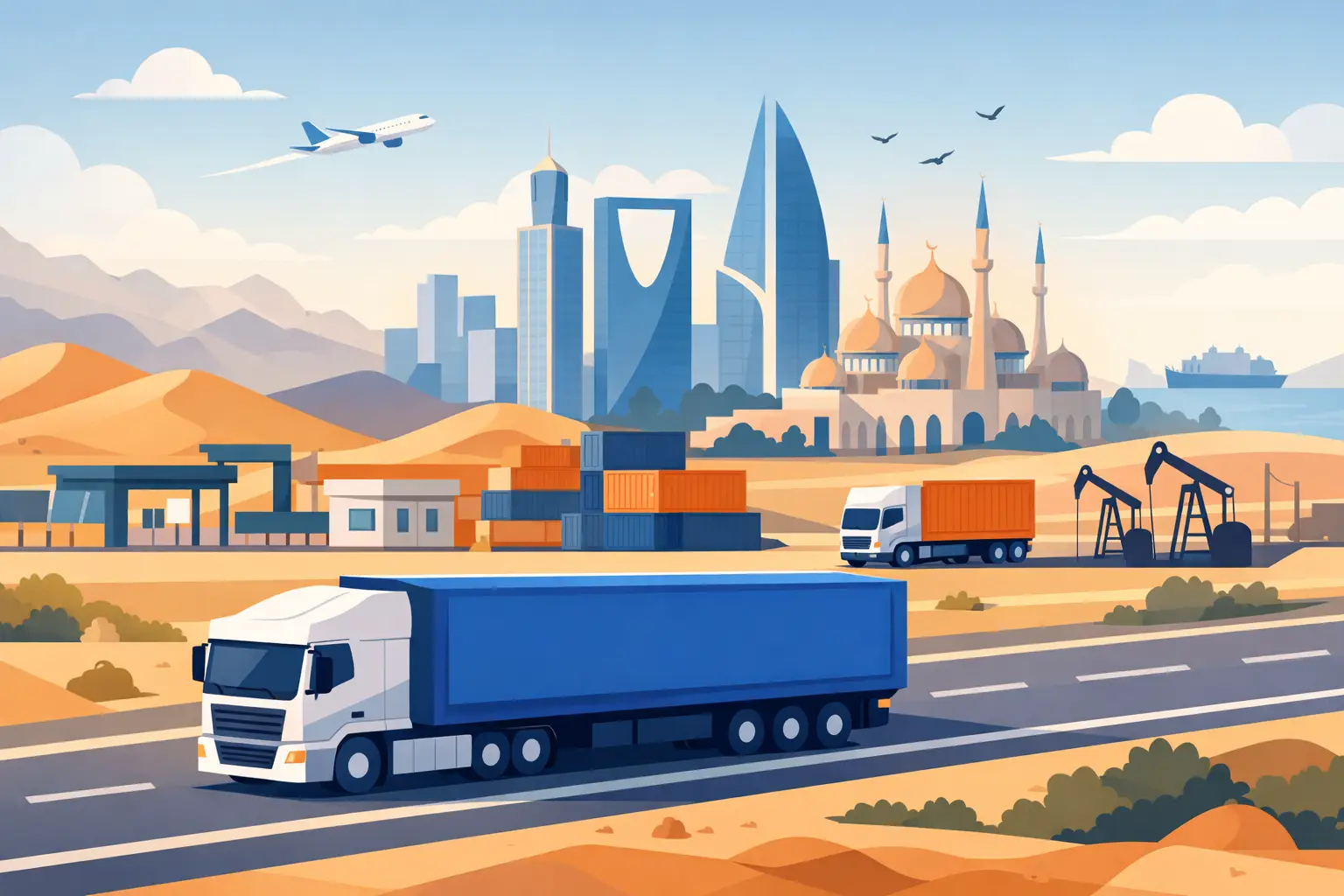
In the Gulf, geography and trade patterns make road freight a practical backbone for regional commerce. Many shipments do not need the premium cost of air freight, and they do not fit the longer lead times or port dependency that come with sea freight. Land transport sits in the middle, offering a useful combination of speed, control, and routing flexibility.
That matters most for businesses with recurring movement between neighboring markets. Retailers need stock transfers that align with promotions and store demand. FMCG distributors need repeatable delivery windows. Industrial suppliers need dependable movement of parts, equipment, and replenishment cargo. E-commerce operators need linehaul support that connects fulfillment points with last-mile delivery networks.
For these use cases, trucking is often the channel that keeps business continuity intact. It can support full truckload and consolidated movements, scheduled dispatches, and direct-to-warehouse or direct-to-site delivery. When managed properly, it also gives operations teams better control over timing, exceptions, and delivery sequencing than they would get from modes built around port or flight schedules.
What businesses actually need from GCC road freight
The transport itself is only one part of the job. Most commercial shippers are not looking for a truck vendor. They are looking for a logistics partner that can keep shipments moving without constant intervention from their internal team.
That means the service has to cover more than pickup and drop-off. It should include route planning, shipment handling, customs coordination, document accuracy, status tracking, and escalation when a border or clearance issue appears. If warehousing is part of the supply chain, the road freight operation also has to connect cleanly with receiving, dispatch, cross-docking, and inventory control.
This is where many cross-border movements either stay stable or start to fail. A low transport rate can look attractive at booking stage, but the cost changes quickly if the operator cannot manage delays, communicate proactively, or recover from disruption. For businesses shipping frequently, reliability usually matters more than chasing the cheapest line-item quote.
The main advantage is control, but only if the process is structured
Land freight across GCC gives businesses more direct operational control than many alternatives. Trucks can be scheduled around commercial deadlines. Routes can be adjusted based on urgency, destination, and cargo profile. Partial loads and full loads can be matched to demand rather than forcing every shipment into a fixed shipping cycle.
Still, control only exists when the process is structured. Without clear handoffs, approved documents, and shipment visibility, road freight can become reactive very quickly. Border crossings may involve waiting time. Local regulations may differ by commodity and destination. Delivery appointments may shift. If the logistics provider does not have disciplined execution, your team ends up managing exceptions manually.
For that reason, strong GCC road freight operations tend to have the same characteristics. They use clear documentation workflows, defined escalation paths, shipment tracking, and teams that understand both transport execution and customs handling. That combination reduces uncertainty and makes lead times more dependable.
Common cargo types moved by road across the GCC
Road freight supports a wide range of commercial cargo, but the operating model should reflect what is being moved. Consumer goods and retail stock often require speed, repeated deliveries, and careful coordination with warehouse receiving times. Industrial materials may need specialized handling, secure transport, or specific documentation. E-commerce inventory usually depends on fast regional transfer and clean integration with fulfillment operations.
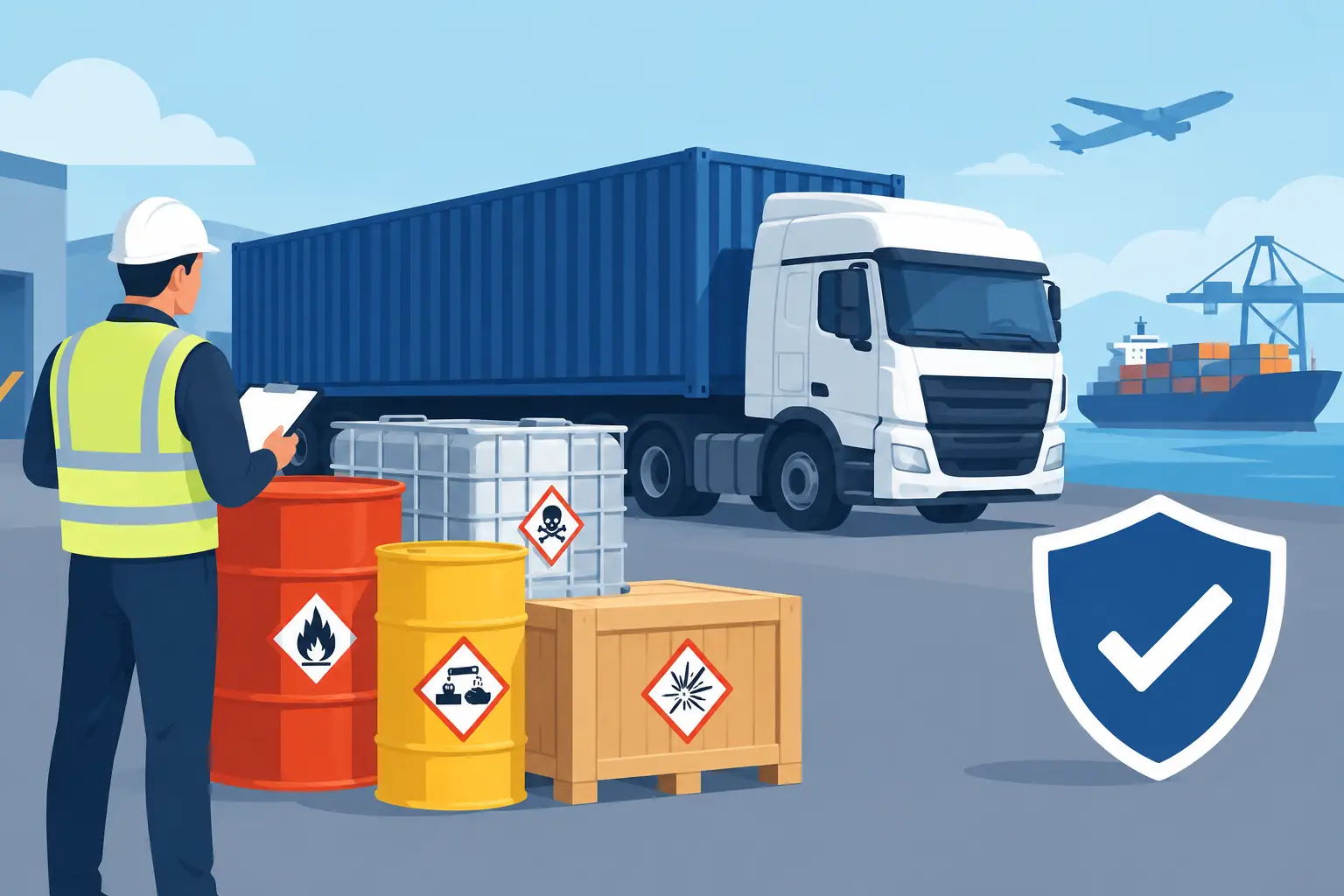
Some shipments are straightforward palletized cargo. Others involve oversized items, high-value goods, fragile stock, or temperature-sensitive products. The right setup depends on cargo dimensions, risk level, required transit time, and the compliance profile of the shipment. There is no single template that fits every lane or every business.
That is why experienced operators assess the movement before assigning capacity. The trailer type, routing plan, clearance approach, and delivery schedule should match the commercial requirement, not just the available truck.
Customs and border handling are where performance is proven
Ask any operations manager where GCC road shipments become difficult, and the answer is usually the same: at the border. This is where timing can change, paperwork is tested, and the difference between a prepared shipment and an unprepared one becomes visible.
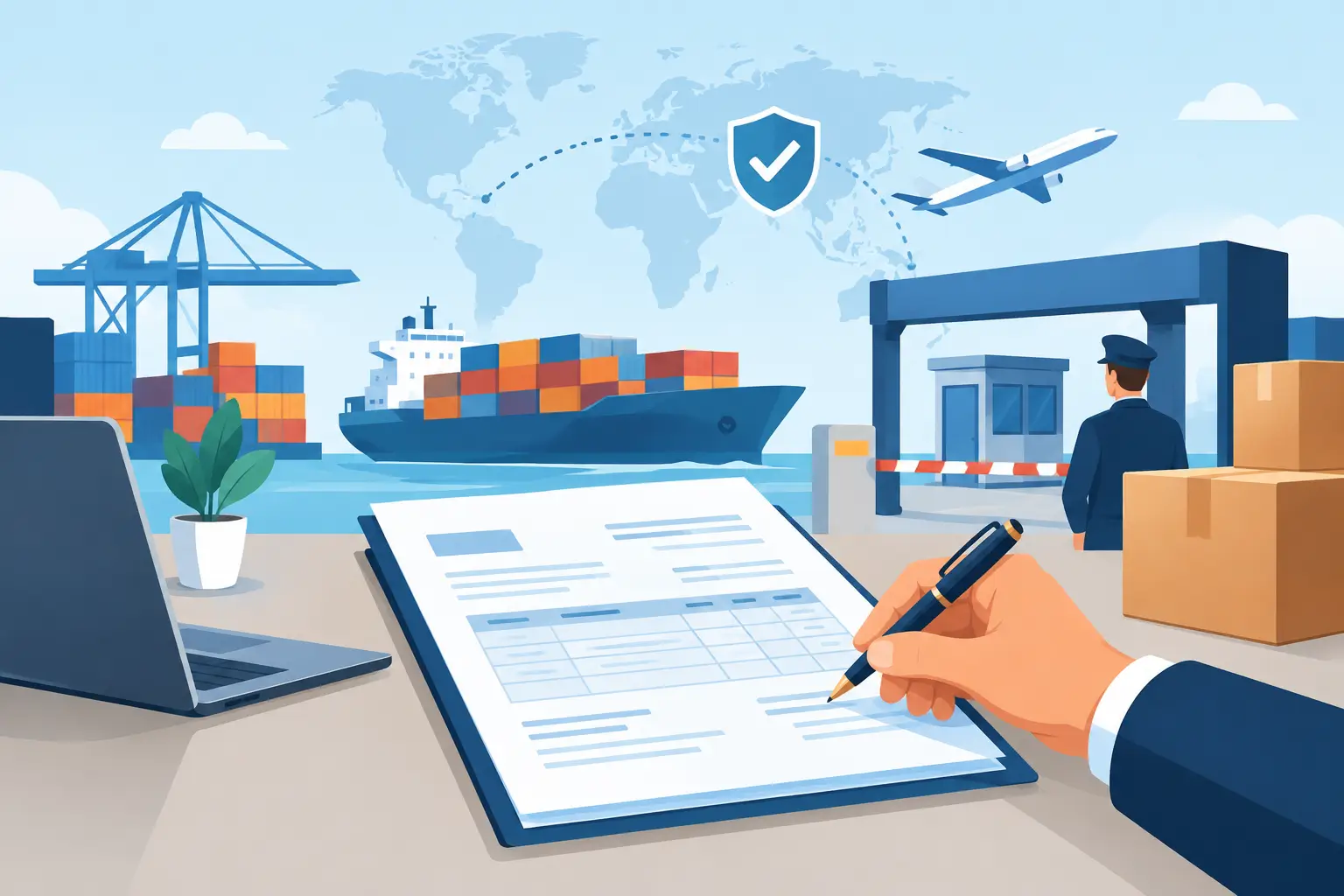
Accurate documents are essential, but accuracy alone is not enough. The shipment also needs the right commodity classification, invoice details, consignee information, and supporting paperwork for the relevant country and cargo type. If any element is incomplete or inconsistent, clearance can slow down or stop altogether.
For businesses shipping at volume, this is why customs support should not sit outside the transport conversation. It needs to be integrated from the start. When freight forwarding, customs handling, and transport execution are aligned, delays are reduced and accountability is clearer. If they are split across too many parties, issues tend to surface late and take longer to resolve.
When land freight is the right choice – and when it is not
Road transport is often the best fit for regional cargo, but not in every case. If the shipment is extremely urgent and the margin supports it, air may still be the better option. If the cargo is very heavy, non-urgent, and moving on a long planning horizon, sea freight may produce better economics.
The right choice depends on transit expectations, shipment value, inventory pressure, and delivery commitments. Many businesses benefit from using land freight as the default GCC mode, then switching to air only for exceptions and sea for larger planned movements. That kind of mixed strategy keeps costs under control without exposing the business to avoidable delays.
A dependable logistics partner should be able to advise on those trade-offs honestly. Not every shipment should move the same way, and good planning usually beats a one-size-fits-all transport model.
How integrated logistics improves GCC road freight results
The strongest road freight performance usually comes from integration, not from transport in isolation. If your provider can also support warehousing, inventory staging, customs clearance, and domestic distribution, the shipment moves through fewer disconnected steps. That reduces handover errors and shortens response time when plans change.
This matters even more during peak periods. Seasonal promotions, procurement cycles, and project deadlines can all increase pressure on regional transport lanes. Businesses need providers that can add capacity, maintain communication, and keep freight moving without losing shipment visibility.
For companies operating in Kuwait and across the region, K-Line’s model is built around that kind of operational control. The value is not only in moving cargo across borders. It is in connecting freight forwarding, storage, transport, customs, and delivery under one accountable structure so customers can manage growth and urgency with less disruption.
What to evaluate before choosing a GCC land freight provider
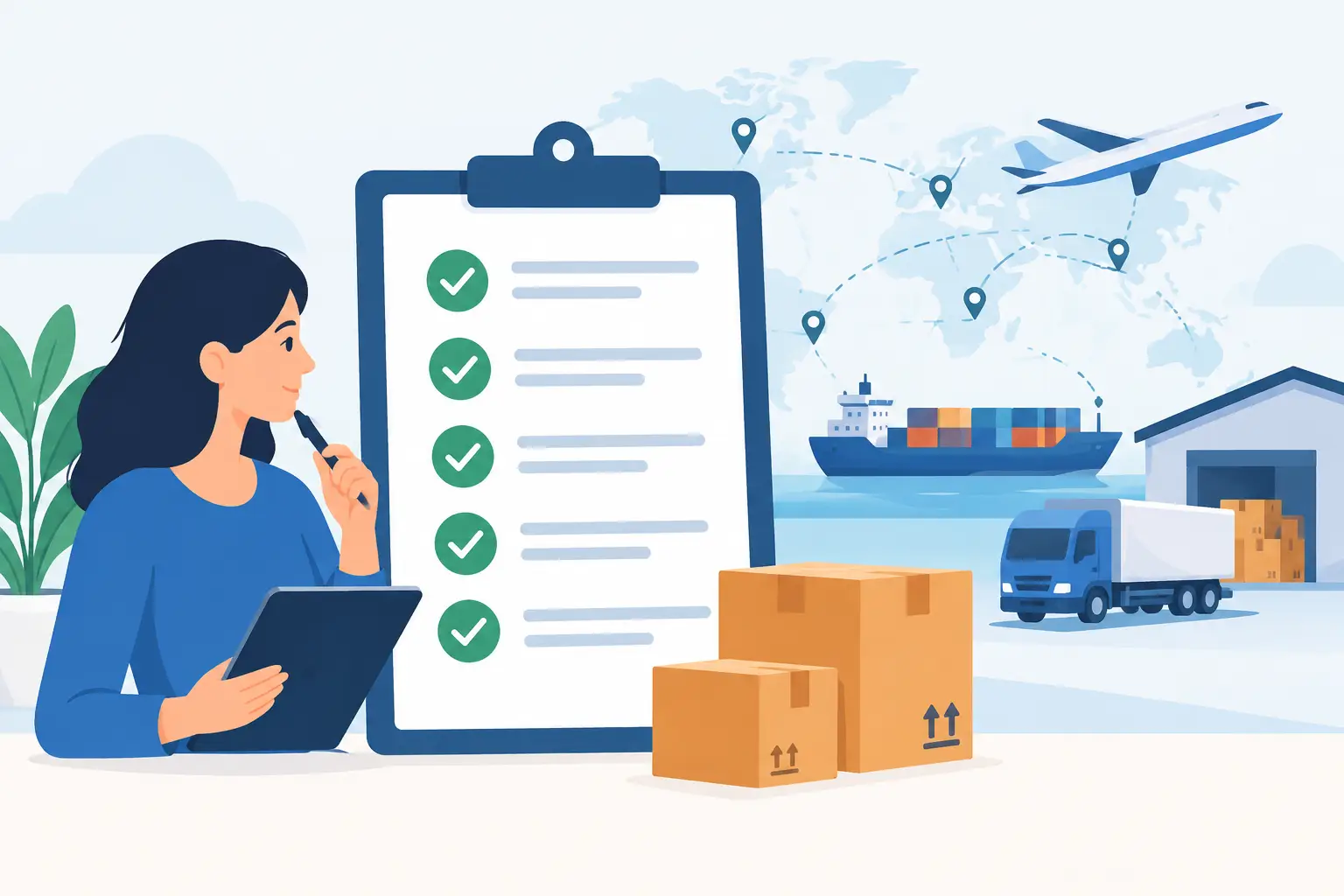
The first question is not price. It is whether the provider can support your actual operating pattern. Look at lane coverage, customs capability, shipment visibility, and how exceptions are handled. Ask how they manage urgent shipments, partial loads, border delays, and proof of delivery. A provider that cannot answer clearly will usually create work for your team later.
It is also worth checking whether they can scale with your volume. A business moving weekly stock transfers has different needs from one managing daily replenishment across several markets. Capacity planning, account support, and reporting become more important as shipment frequency grows.
Finally, look at accountability. When goods are time-sensitive or commercially critical, you need a provider that treats execution as a responsibility, not just a booking. That means clear communication, disciplined operations, and a service model designed for continuity rather than one-off transport.
Regional growth often depends on how well goods move between markets, not just how well they sell once they arrive. When your land freight setup is reliable, visible, and properly coordinated, expansion across the GCC becomes easier to plan and easier to sustain.