


What Is Bonded Warehouse Storage? A Clear Guide
A shipment can arrive at port, clear physical inspection, and still not be ready for release into the local market. The missing step is often duty and tax payment. For importers managing cash flow, uncertain demand, or regional distribution, understanding what is bonded warehouse storage can prevent inventory from becoming an expensive bottleneck.
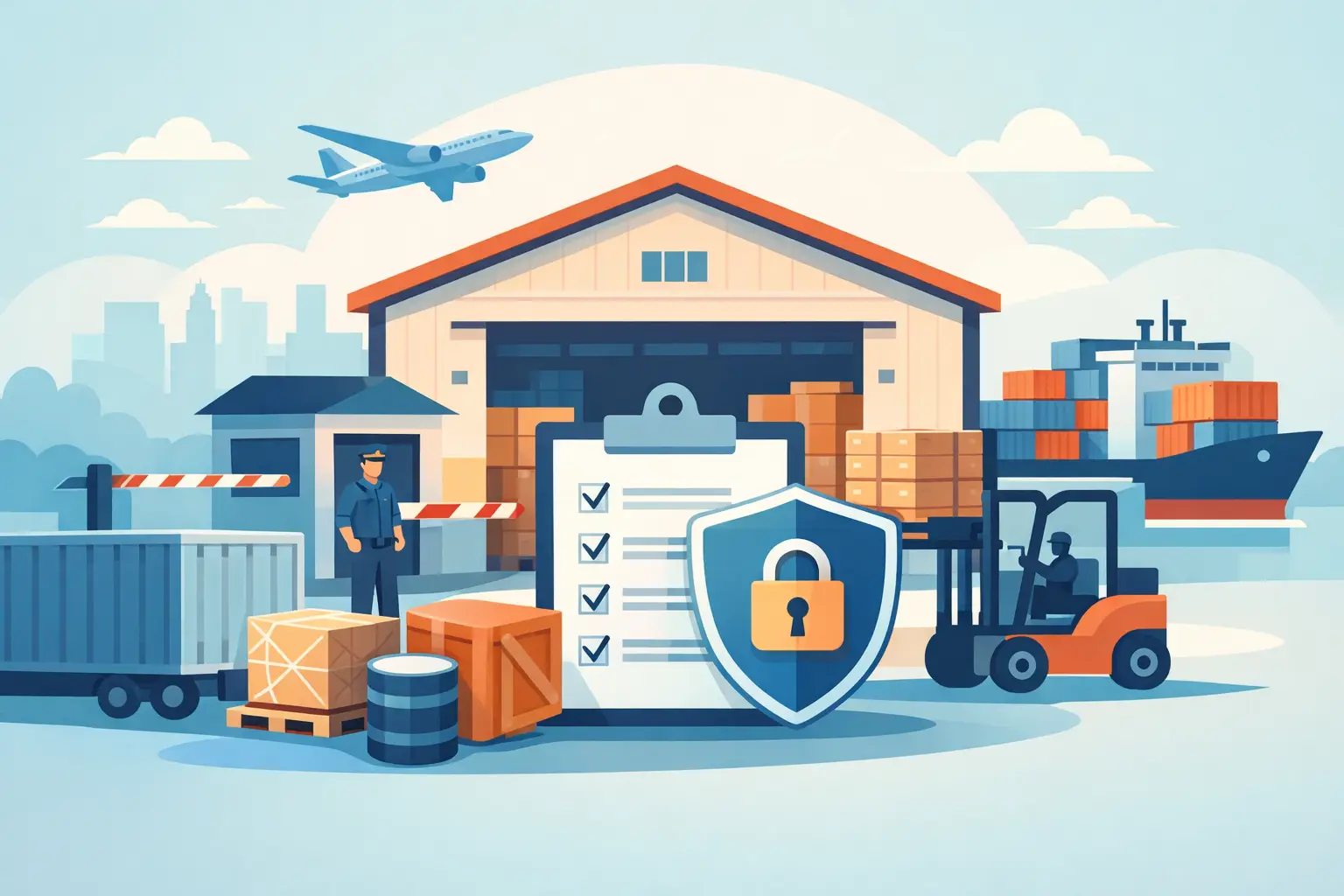
Bonded storage gives businesses a controlled place to hold imported goods under customs supervision before they are released for domestic sale, re-exported, or handled under another approved customs procedure. It is not simply extra warehouse space. It is a compliance-based storage arrangement with strict inventory controls, documentation requirements, and customs accountability.
What Is Bonded Warehouse Storage?
A bonded warehouse is a customs-authorized facility where imported goods can be stored without immediate payment of applicable customs duties and taxes. Those charges are generally deferred until the goods are released into the local market.
This arrangement gives the importer time to decide what happens next. Goods may be released in smaller quantities for local customers, re-exported to another market, transferred under an approved procedure, or, where regulations allow, processed or handled within the facility. If goods are re-exported rather than released locally, duties may not become payable in the importing country, subject to the applicable customs rules.
The warehouse operator and importer must maintain clear records of every movement. Customs authorities need to know what entered the facility, where it is stored, whether it was manipulated or repacked under authorization, and when it left. The controls are what make the warehouse “bonded.”
For businesses shipping into Kuwait or serving wider GCC markets, the exact requirements depend on the country, product category, customs authority, and licensed warehouse arrangement. A bonded warehouse does not remove compliance obligations. It creates a structured way to manage them.
How Bonded Storage Works in Practice
The process starts before cargo reaches the warehouse. The importer, freight forwarder, customs broker, and warehouse operator need accurate commercial documents, including invoices, packing lists, transport documents, commodity details, quantities, and values. Customs classification and origin information are especially important because they affect the duty treatment when goods are released.
After arrival, cargo is moved into the bonded facility under customs-approved procedures. It is received, counted, inspected for visible discrepancies, labeled, and recorded in the warehouse management system. The inventory is then kept separate from duty-paid stock or otherwise controlled in a way that preserves traceability.
When the business receives an order from a local customer, it can request release of the required quantity. Duties, taxes, and any required fees are calculated based on the applicable rules at that point. After customs clearance and payment, the released stock can move into the local distribution network.
If the business receives an export order instead, the cargo may be prepared for re-export. This route can be valuable for regional distributors that use one receiving point before serving several markets. Documentation must still match the physical cargo and the approved customs process. A missing carton, incorrect SKU count, or poorly maintained record can delay release and create liability.
Why Businesses Use Bonded Warehouses
The main advantage is duty deferral. Instead of paying duties on an entire inbound shipment immediately, a company pays as products are released for local sale. For high-value goods, seasonal inventory, or slow-moving product lines, this can reduce pressure on working capital.
Bonded storage also supports better inventory positioning. A retailer can import a broader product range before a peak season without committing to full duty payment on goods that may not sell right away. An industrial supplier can hold spare parts closer to customers while retaining flexibility over when individual items enter the domestic market.
For regional trade, the model can reduce unnecessary cost exposure. A company may import goods into a central location, fulfill local demand as needed, and re-export other stock to approved destinations. This can be more efficient than fully clearing every shipment into one market and then attempting to recover costs later.
There is also an operational benefit: visibility. A professionally managed bonded operation tracks stock status, customs status, order releases, and dispatch activity. For procurement teams and supply chain managers, this makes it easier to distinguish stock that is physically available from stock that is legally ready for domestic delivery.
The Trade-Off: Control Comes With Responsibility
Bonded warehousing is useful, but it is not automatically the best choice for every shipment. The duty-saving benefit must outweigh the cost and administrative requirements of operating within a customs-controlled environment.
Storage fees, handling fees, customs documentation, system reporting, insurance, and release processing all need to be considered. If goods will be sold locally within a few days of arrival, immediate clearance may be simpler and more cost-effective. The case for bonded storage becomes stronger when inventory will remain in storage for longer periods, be released gradually, or be re-exported.
Compliance discipline is non-negotiable. Stock records must reconcile with customs declarations. Access to cargo may be restricted. Goods cannot be removed, substituted, or disposed of without approved procedures. Loss, damage, shortages, or unexplained variances can lead to duty exposure, penalties, and shipment delays.
Product eligibility matters as well. Certain controlled, restricted, perishable, hazardous, or regulated products may require additional approvals or may be subject to special storage conditions. Food, pharmaceuticals, chemicals, electronics, alcohol, tobacco, and branded goods can all involve requirements beyond standard warehouse handling.
Bonded Warehouse Storage vs. Regular Warehousing
A regular warehouse stores goods that have already been cleared for the local market, or goods that do not require customs control. The business can pick, pack, distribute, or move inventory according to normal commercial procedures.
A bonded warehouse stores goods that remain under customs control. The business has more flexibility over when duties are paid, but less freedom to move or alter stock without proper authorization. The warehouse must operate to approved standards and maintain audit-ready records.
The difference is not just location. The same physical building may have separate bonded and non-bonded areas, but the inventory status, access controls, documentation, and release process are different. Businesses should make sure their systems clearly identify each stock category to avoid fulfillment errors.
Bonded Warehousing vs. Free Zones and Duty Drawback
These terms are sometimes used interchangeably, but they describe different customs mechanisms.
A bonded warehouse is typically focused on storing imported goods under customs supervision with duties deferred. A free zone is a designated area with its own customs and commercial framework, often supporting broader activities such as manufacturing, assembly, trading, or regional distribution. The rules for selling goods from a free zone into the local market can differ from bonded warehouse release rules.
Duty drawback generally involves reclaiming eligible duties after goods have been exported or used in exported products. Bonded storage aims to defer payment before domestic release. One model may be better than another depending on the shipment flow, transaction volume, time in storage, and local regulations.
When Bonded Storage Makes Business Sense
Bonded warehouse storage is often a strong fit for importers with high-value stock, variable sales cycles, or multi-market distribution plans. It is commonly used by electronics distributors, automotive parts suppliers, FMCG importers, retailers preparing for seasonal demand, and B2B suppliers serving project-based customers.
Consider a distributor bringing in equipment components for several customers. Rather than paying duty on the full shipment at arrival, it can hold the stock in bond and release parts as individual projects are approved. This aligns duty payment more closely with revenue and reduces the risk of clearing inventory that may sit unused.
It can also support e-commerce and retail businesses when demand is difficult to forecast. However, fulfillment planning must account for customs release lead time. Bonded stock is not always available for same-day dispatch unless the release process, documentation, and operating cutoffs have been planned in advance.
Questions to Ask Before Choosing a Bonded Warehouse
Before placing inventory into bond, businesses should confirm the warehouse license scope, product eligibility, security standards, customs reporting process, and release timelines. They should also understand whether the provider can manage receiving, inventory control, order fulfillment, customs clearance, and onward delivery as one accountable operation.
Ask how stock discrepancies are handled, what reporting is available, and who is responsible for submitting customs documents. Confirm how duties and taxes are calculated for partial releases, damaged goods, returns, and re-exports. These details determine whether the arrangement will improve control or add operational friction.
For companies managing freight, storage, customs handling, and delivery across connected workflows, a provider such as K-Line can help coordinate the practical handoffs that keep cargo moving without losing visibility or compliance control.
The best bonded warehouse strategy is not simply about delaying duty payments. It is about placing inventory where it can serve demand, remain fully traceable, and move through customs at the right time for the business.