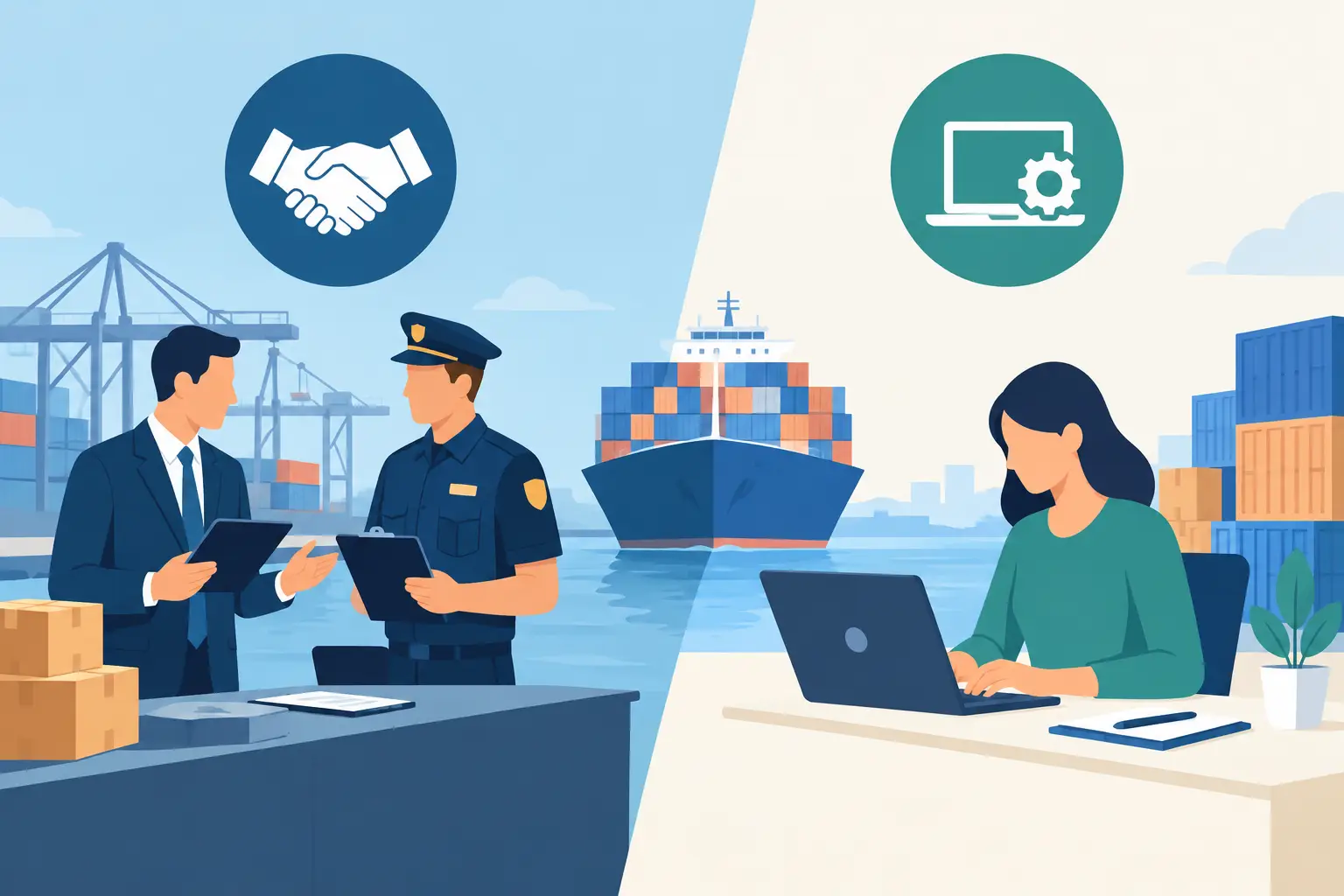
What Is Shipment Visibility in Logistics?
A container can leave a port on schedule and still create a costly problem if nobody can confirm when it will clear customs, reach the warehouse, or arrive at the customer’s location. That gap between movement and reliable information is where delays, missed delivery windows, and customer escalations begin. So, what is shipment visibility? It is the ability to see a shipment’s current status, location, progress, and exceptions from pickup through final delivery.
For businesses managing inventory, customer orders, or time-sensitive freight, visibility is not simply a tracking number. It is operational control. It gives teams the information needed to plan receiving, update customers, respond to disruptions, and keep supply chains moving without relying on assumptions.
What Is Shipment Visibility and Why Does It Matter?
Shipment visibility is the process of collecting and sharing accurate shipment data across the transport journey. Depending on the service and shipment type, that data can include pickup confirmation, departure and arrival milestones, warehouse scans, customs status, estimated delivery time, proof of delivery, and delay alerts.
A basic tracking page may show that a package is “in transit.” True visibility provides more useful context: where it was last scanned, what transport stage it has reached, whether the expected delivery date has changed, and what action is required if it has stopped moving.
This distinction matters most when a shipment affects another business process. A retailer may need stock before a promotion begins. An FMCG distributor may need temperature-sensitive inventory received before existing stock runs low. An industrial operator may be waiting for a replacement part that affects equipment uptime. In each case, a general delivery estimate is not enough. The team needs dependable status information and early notice when a plan is at risk.
Tracking and Shipment Visibility Are Not the Same
Tracking is one part of shipment visibility, but the two terms are often used interchangeably. Tracking usually answers a narrow question: where is my shipment right now? Visibility answers broader operational questions: when will it arrive, what has happened so far, what may cause a delay, and who needs to respond?
For example, a courier tracking event may confirm that a parcel has departed a sorting facility. A visibility process can connect that event with the planned delivery route, the recipient’s delivery window, any address issue, and the driver’s final proof of delivery.
The level of visibility should match the shipment’s complexity. A single domestic parcel may only require timely scan updates and delivery confirmation. A cross-border air or sea freight movement may require visibility across multiple handoffs, including origin collection, export documentation, carrier departure, transshipment, customs clearance, destination handling, delivery scheduling, and final receipt.
The Shipment Milestones Businesses Need to See
Useful visibility is built around meaningful milestones rather than a long stream of vague status messages. Each milestone should help the customer or operations team understand whether the shipment is moving according to plan.
For most freight and fulfillment operations, the critical stages include:
- Booking and pickup confirmation, showing that the shipment has entered the logistics process.
- Origin handling and departure, confirming the cargo has been prepared and released for transport.
- Transit updates, including carrier movement, transfer points, and estimated arrival changes.
- Customs and destination handling, identifying whether documents, inspections, duties, or release steps are affecting timing.
- Final-mile delivery and proof of delivery, confirming the shipment reached the intended recipient.
Not every shipment needs every milestone displayed to every user. A procurement team may need customs and arrival updates for inbound freight, while a customer service team may only need a clear estimated delivery date and delivery confirmation. Good visibility presents the right information to the right person without creating unnecessary reporting work.
How Shipment Visibility Supports Daily Operations
The immediate benefit of shipment visibility is fewer surprises. When teams know that a shipment is delayed before its delivery date is missed, they can adjust warehouse labor, notify a customer, reschedule production, or arrange an alternative transport option.
Visibility also improves inventory decisions. Businesses can make better receiving plans when they know not only that goods are on the way, but also whether arrival is confirmed, delayed at customs, or awaiting final delivery. This is especially valuable for companies working with lean inventory levels or fast-moving product lines.
For e-commerce businesses, clear order updates reduce the volume of “Where is my order?” inquiries. Customers are more likely to accept a delay when they receive a specific, credible update rather than a generic message. For B2B suppliers, status information supports stronger account management because commercial customers can plan around accurate delivery windows.
There is also an accountability benefit. When multiple parties handle a shipment, visibility creates a shared record of events. That record helps identify where a delay occurred, whether a handoff was completed, and what needs to change in future shipments. It does not eliminate disruptions, but it makes them easier to investigate and manage.
Exception Management Is Where Visibility Creates Value
A shipment does not need attention when it is moving normally. It needs attention when something changes: a missed pickup, a late carrier departure, incomplete customs paperwork, an incorrect address, a damaged package, or an unsuccessful delivery attempt.
Exception management turns visibility data into action. Instead of discovering a problem after a customer complains, an operations team receives an alert or sees a status that requires review. The appropriate response depends on the issue. A documentation hold may require the shipper to provide a commercial invoice or product details. A failed delivery may require customer contact and a revised delivery appointment. A delayed inbound shipment may require warehouse or purchasing teams to revise their plans.
The quality of the response depends on the quality of the data. Late or incomplete updates create false confidence and leave teams reacting after the fact. Accurate milestones, realistic estimated arrival times, and clear ownership of exceptions are more valuable than a dashboard filled with activity that does not explain what is happening.
Visibility Across Kuwait and GCC Logistics
Shipment visibility becomes more complex when cargo moves across borders. International freight often involves carriers, ports or airports, customs authorities, clearance agents, warehouses, and local delivery teams. Each transition can affect timing, particularly when documentation is incomplete or clearance requirements change.
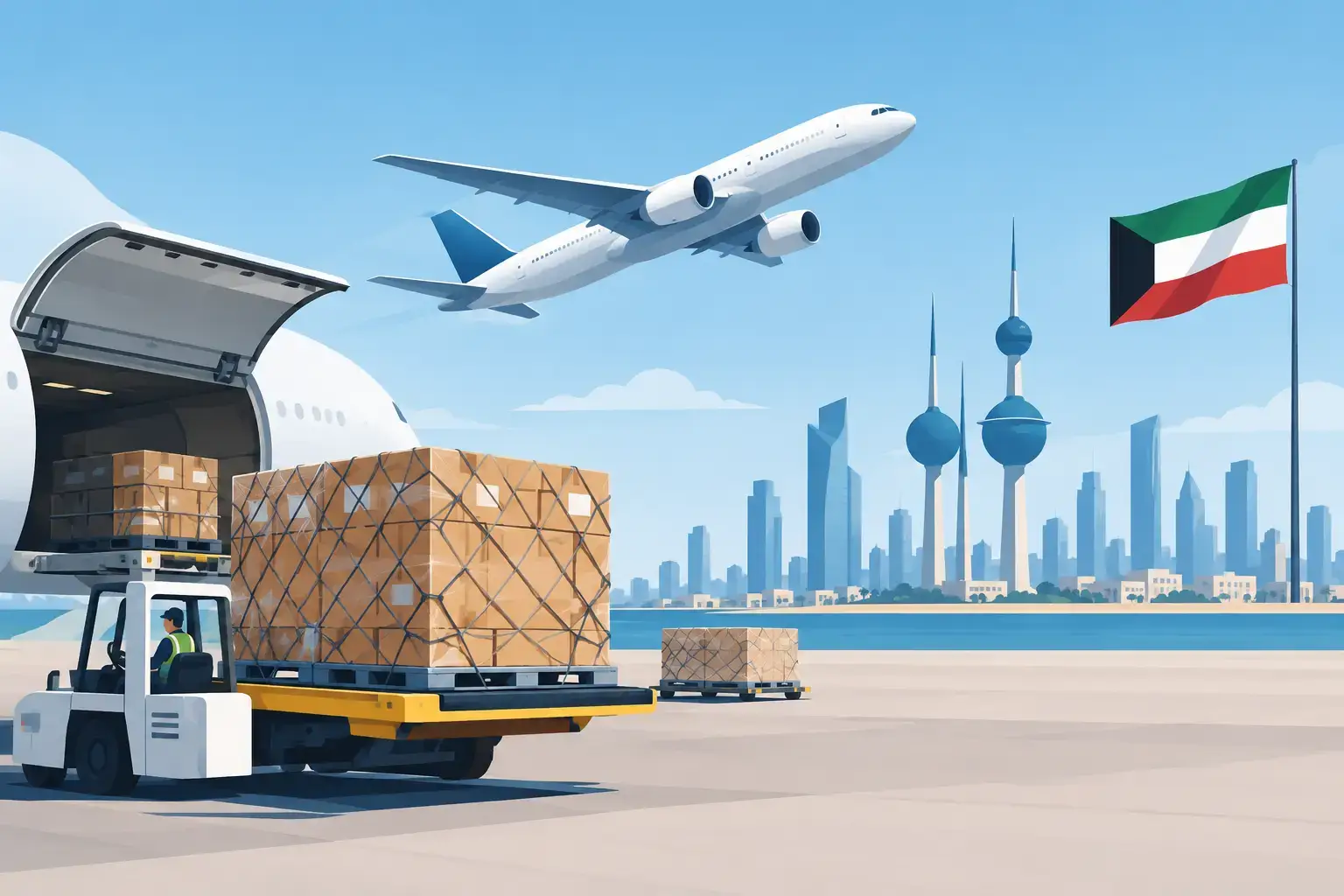
For companies shipping to, from, or within Kuwait and the GCC, a useful visibility process should show more than carrier movement. It should clarify whether cargo has arrived, whether it is under customs review, whether it has been released, and when delivery can be scheduled. This helps businesses coordinate receiving teams, storage capacity, and customer commitments.
A logistics provider with freight forwarding, customs handling, warehousing, and domestic delivery capability can reduce information gaps between these stages. K-Line supports this connected approach by managing the movement and handling steps that customers need to monitor, rather than treating each stage as an isolated service.
What Good Shipment Visibility Looks Like
The right visibility setup depends on shipment volume, transport modes, customer expectations, and internal processes. A growing online seller may need automatic delivery notifications and proof of delivery. A high-volume importer may need milestone reporting, customs updates, and a clear process for escalations. Large organizations may also require reporting that supports compliance, performance reviews, and supplier accountability.
Whatever the model, effective shipment visibility has several common qualities. Information is timely enough to support decisions. Status labels are clear and specific. Estimated delivery dates are updated when conditions change. Exceptions have a named owner and a next step. Historical records are available when teams need to review performance or resolve a dispute.
There is a trade-off to consider. More data is not automatically better. Frequent updates can create noise if they do not indicate a meaningful change. The goal is not to monitor every truck movement or warehouse scan. The goal is to provide reliable information at the points where a business needs to make a decision.
How to Improve Visibility in Your Shipping Process
Start by identifying the moments where missing shipment information causes operational problems. These may be inbound freight arrivals, customs release, delivery appointments, failed delivery attempts, or proof of delivery for high-value orders. Then define the status information each team needs at those moments.
Next, set expectations with logistics partners. Ask how shipment milestones are captured, how estimated delivery dates are calculated, how exceptions are communicated, and who is responsible for follow-up. For recurring commercial shipments, agree on reporting frequency and escalation procedures before a problem occurs.
Finally, use visibility data to improve planning, not just to answer status requests. Review recurring delays by route, service type, customer location, or clearance issue. If a pattern appears, adjust lead times, documentation checks, delivery scheduling, or inventory planning. Visibility becomes most useful when it leads to better decisions on the next shipment.
Reliable shipping is built on more than transport capacity. It depends on knowing what is happening, recognizing when plans change, and having a responsible team ready to act before a small delay becomes a business disruption.