


9 Shipment Tracking System Benefits
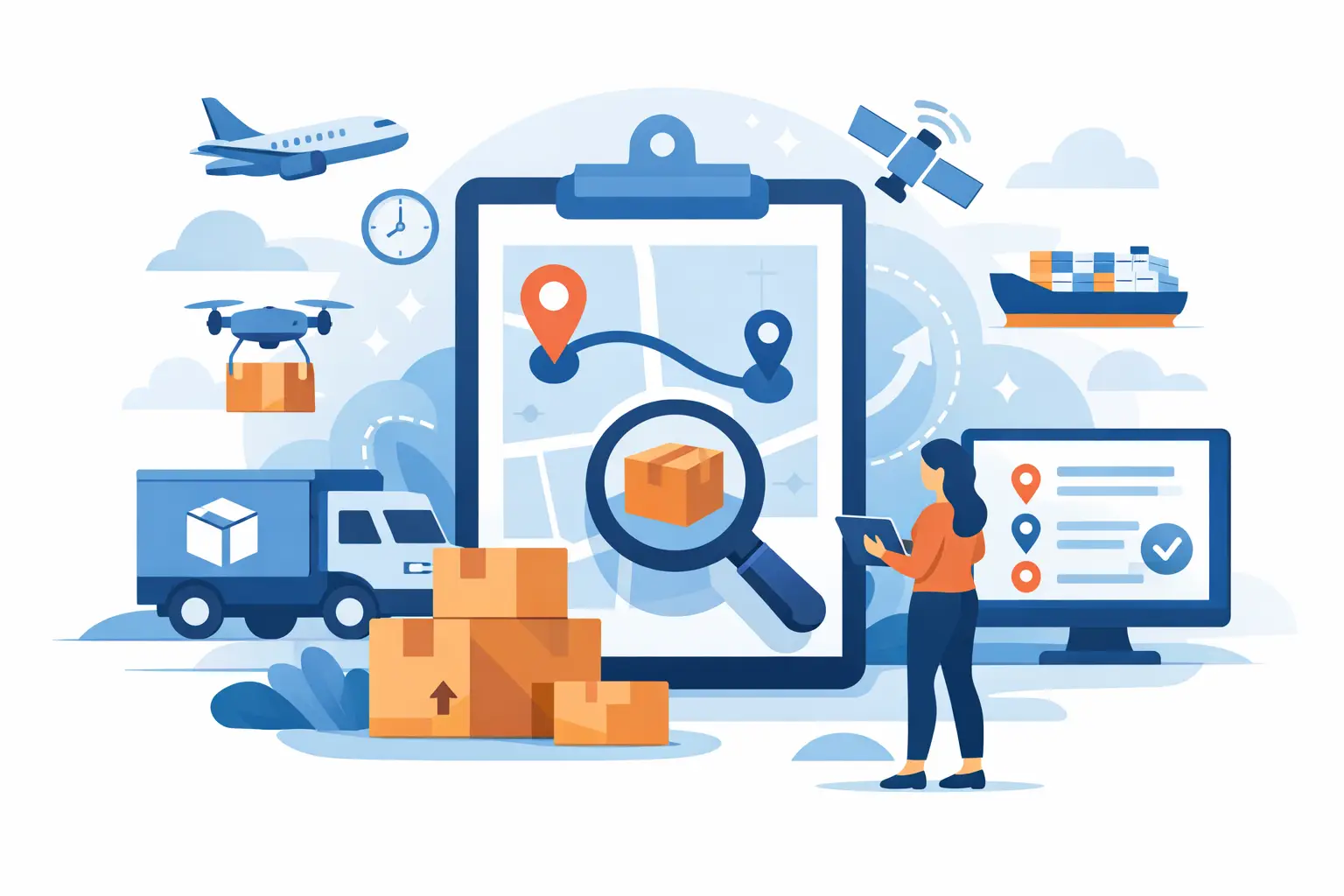
A late shipment rarely starts as a transportation problem. More often, it starts as a visibility problem. When operations teams cannot see where freight is, whether customs is holding it, or when delivery status changes, small issues turn into customer complaints, stock gaps, and expensive last-minute decisions. That is where shipment tracking system benefits become practical, not theoretical.
For businesses managing regular deliveries across Kuwait and the GCC, tracking is no longer just a customer-facing feature. It is an operational control tool. It gives teams a clearer view of movement, exceptions, handoffs, and delivery performance so they can act earlier and plan better.
Why shipment tracking system benefits matter in daily operations
A tracking system does more than show a shipment on the move. At its best, it creates a shared operational reference point for logistics teams, warehouse staff, procurement, customer service, and end customers. Instead of working from assumptions, each team works from current shipment status.
That shift matters because logistics problems usually create ripple effects. A delayed inbound pallet can affect inventory availability. A customs hold can disrupt store replenishment. A missed last-mile delivery can trigger support calls, redelivery costs, and reputational damage. With proper tracking visibility, those events are easier to identify and manage before they spread across the business.
For organizations shipping high volumes or time-sensitive goods, this visibility supports business continuity. Teams can spot patterns, escalate exceptions sooner, and make better use of transport and storage resources.
Better visibility means faster decisions
The most immediate advantage of a tracking system is simple – people know what is happening.
Without reliable tracking, operations teams often spend time chasing updates through calls, emails, and manual follow-ups. That slows decision-making and creates room for conflicting information. A centralized tracking view reduces that friction. If a shipment has departed, cleared, arrived at a hub, or gone out for delivery, the status is visible without waiting for multiple handoffs.
This matters most when timing is tight. Retailers preparing promotions, e-commerce brands managing order peaks, and industrial buyers waiting on critical parts all need current shipment data to make practical decisions. They may need to reallocate stock, inform customers, adjust labor planning, or escalate a priority delivery. None of that works well if shipment status is uncertain.
Visibility does not eliminate disruption, but it reduces blind spots. In logistics, that difference is significant.
Shipment tracking system benefits for customer service
Customer service teams often carry the pressure created elsewhere in the supply chain. If a shipment is delayed and no one can explain why, support teams are left managing frustration with limited information. A tracking system improves that situation by giving customer-facing teams access to verifiable updates.
That leads to better communication. Instead of vague delivery windows or repeated promises to “check with the driver,” teams can share a current status and a more realistic expectation. Customers may still be unhappy about a delay, but clear information usually reduces escalation.
It also lowers inquiry volume. When shipment updates are easier to access, customers and internal teams ask fewer status questions. That frees support staff to handle actual service issues rather than acting as a manual tracking desk.
For B2B accounts, this is especially valuable. Commercial customers are not only asking where their shipment is. They are asking how that shipment affects receiving schedules, project timelines, or store operations. Better tracking helps answer the broader business question, not just the location question.
Stronger accountability across handoffs
Freight forwarding and distribution often involve multiple stages – pickup, consolidation, customs, linehaul, warehousing, dispatch, and final delivery. The more handoffs involved, the more chances there are for delay, miscommunication, or lost responsibility.
A tracking system creates accountability by recording movement and status changes at each stage. That makes it easier to identify where a delay happened, when an exception began, and which part of the operation needs attention. For management teams, this is useful not only for fixing individual issues but also for improving process discipline over time.
Accountability supports partner management as well. If a business works with more than one carrier, transport vendor, or delivery team, tracking data helps compare performance more fairly. Decisions about routing, capacity, and service levels become easier when they are based on actual movement data rather than general impressions.
This does require consistent scanning and status updates. A tracking system is only as useful as the operational discipline behind it. If updates are delayed or incomplete, visibility weakens quickly.
Better inventory planning and warehouse coordination
Inbound and outbound logistics are closely connected. When shipment visibility improves, warehouse planning improves with it.
For inbound goods, tracking helps receiving teams prepare labor, dock space, and storage allocation. If arrivals are delayed, the warehouse can adjust schedules instead of waiting with idle capacity. If freight is arriving earlier than expected, teams can make room and avoid bottlenecks.
For outbound orders, tracking helps inventory teams manage commitment dates with more accuracy. They can see whether replenishment is on time, whether transfers are moving as planned, and whether delivery performance is supporting promised order windows.
This is particularly important for businesses with fast-moving inventory or promotional cycles. A small timing issue can quickly become a stockout or an overcommitment problem. Tracking does not solve poor inventory planning, but it improves the quality of the information used to make those decisions.
More control over exceptions and delays
No logistics operation runs without exceptions. Weather, documentation issues, border procedures, traffic conditions, and customer delivery constraints all affect shipment timelines. The real question is not whether delays happen. It is how quickly a business identifies and responds to them.
One of the most valuable shipment tracking system benefits is earlier exception management. When statuses update in near real time, teams can intervene sooner. That may mean contacting customs for clarification, notifying a consignee, rescheduling a delivery slot, or shifting inventory from another location.
Earlier action usually lowers cost. It can prevent failed delivery attempts, reduce premium transport usage, and avoid emergency communication after a promised delivery has already been missed.
There is a trade-off here. More visibility can also expose more alerts, and too many alerts can overwhelm teams if the process is not well designed. The best tracking environments focus attention on meaningful exceptions, not every minor movement update.
Improved reporting and performance measurement
A tracking system is not only for live operations. It also creates a record of execution that management can use to evaluate performance.
With historical shipment data, businesses can review transit times, on-time delivery rates, delay patterns, and recurring failure points. That supports better planning and more realistic service commitments. It also helps commercial teams set expectations that operations can actually meet.
For procurement and supply chain leaders, this reporting is useful during carrier reviews, budget planning, and network changes. If a route consistently underperforms, or if a product category experiences repeated delay at a specific stage, the data can support corrective action.
For regulated, high-volume, or service-sensitive environments, reporting also supports governance. Teams can document what happened, when it happened, and how issues were handled. That matters in organizations where compliance, audit readiness, and service accountability are part of the operating model.
Tracking supports growth, but only if the process scales
As shipment volume increases, manual status management becomes harder to sustain. What works for a small number of shipments often breaks under peak demand. A proper tracking system helps businesses scale without losing control.
This is especially relevant for e-commerce, retail distribution, and multi-location supply chains. During seasonal peaks or expansion phases, the number of active shipments can rise quickly. Without tracking discipline, teams spend more time searching for updates than managing flow.
Scalable visibility helps protect service quality during growth. It allows businesses to add volume while keeping customer communication, internal coordination, and delivery performance more stable.
That said, not every business needs the same level of tracking complexity. A company moving occasional low-risk shipments may need simple milestone updates. A business handling daily fulfillment, cross-border freight, and time-sensitive deliveries will usually need deeper tracking integration and stronger exception workflows. The right system depends on shipment volume, service commitments, and operational complexity.
What businesses should look for in practice
When evaluating tracking capability, the key question is not whether a provider offers tracking. Most do. The better question is whether the tracking supports action.
Useful tracking should reflect meaningful shipment milestones, show exceptions clearly, and help teams coordinate transportation, warehousing, and delivery decisions. It should also fit the real structure of the operation. For example, a business moving freight across borders may need visibility tied to customs stages, while a domestic distribution model may care more about dispatch timing and proof of delivery.
For companies that want one accountable logistics partner rather than fragmented providers, integrated tracking becomes more valuable. When freight movement, warehousing, customs handling, and delivery coordination sit under one operating model, visibility is usually easier to maintain. That is one reason many businesses working with K-Line and similar full-service operators prioritize end-to-end control instead of piecing together updates from multiple parties.
Tracking is not just a status tool. It is part of how a business protects service levels, controls costs, and keeps promises under pressure. If your operation depends on timing, visibility is no longer optional. It is part of the job.