7 Freight Forwarding Industry Trends
A late container, a customs document mismatch, or a sudden capacity squeeze can disrupt an entire sales cycle. That is why freight forwarding industry trends matter far beyond transport teams. For businesses in Kuwait and across the GCC, these shifts now affect inventory planning, customer service, landed cost, and how quickly a company can respond when market demand changes.
The most relevant trend is not a single technology or one new trade rule. It is the move toward tighter operational control across the full shipment journey. Businesses are asking for clearer visibility, faster exception handling, stronger customs coordination, and logistics partners that can support freight, storage, and final delivery without creating handoff risk.
Freight forwarding industry trends are becoming more operational
A few years ago, many companies treated freight forwarding as a transactional purchase. The focus was often simple – get the shipment moved at an acceptable rate. That approach is becoming less practical, especially for businesses managing recurring imports, e-commerce volumes, retail replenishment, or time-sensitive B2B distribution.
Freight forwarding is now being measured by continuity. Can the provider adapt when schedules change? Can they coordinate customs clearance without slowing release? Can they support overflow through warehousing or domestic delivery when inbound cargo arrives all at once? The market is rewarding providers that can manage these operational links together.
For shippers, this changes vendor selection. Rate still matters, but predictability matters more when stockouts, missed launches, and delayed projects carry a higher cost than the freight difference alone.
1. End-to-end visibility is now a baseline requirement
Shipment tracking used to be viewed as a value-added feature. Now it is part of basic control. Operations teams want to know where cargo is, whether milestones were met, and what issue needs action before it becomes a larger failure.
This trend is especially important for businesses with frequent shipments across air, sea, and land. If information is delayed or fragmented, teams end up reacting too late. Procurement may not know whether to place urgent replenishment orders. Sales may commit delivery dates with limited confidence. Warehouse teams may face labor planning problems because arrival timing is unclear.
Better visibility does not mean every shipment becomes simple. Congestion, routing changes, inspections, and airline or vessel schedule disruptions still happen. What changes is response time. A forwarding partner with stronger tracking and communication can shorten the time between disruption and decision.
2. Customs capability is becoming a competitive advantage
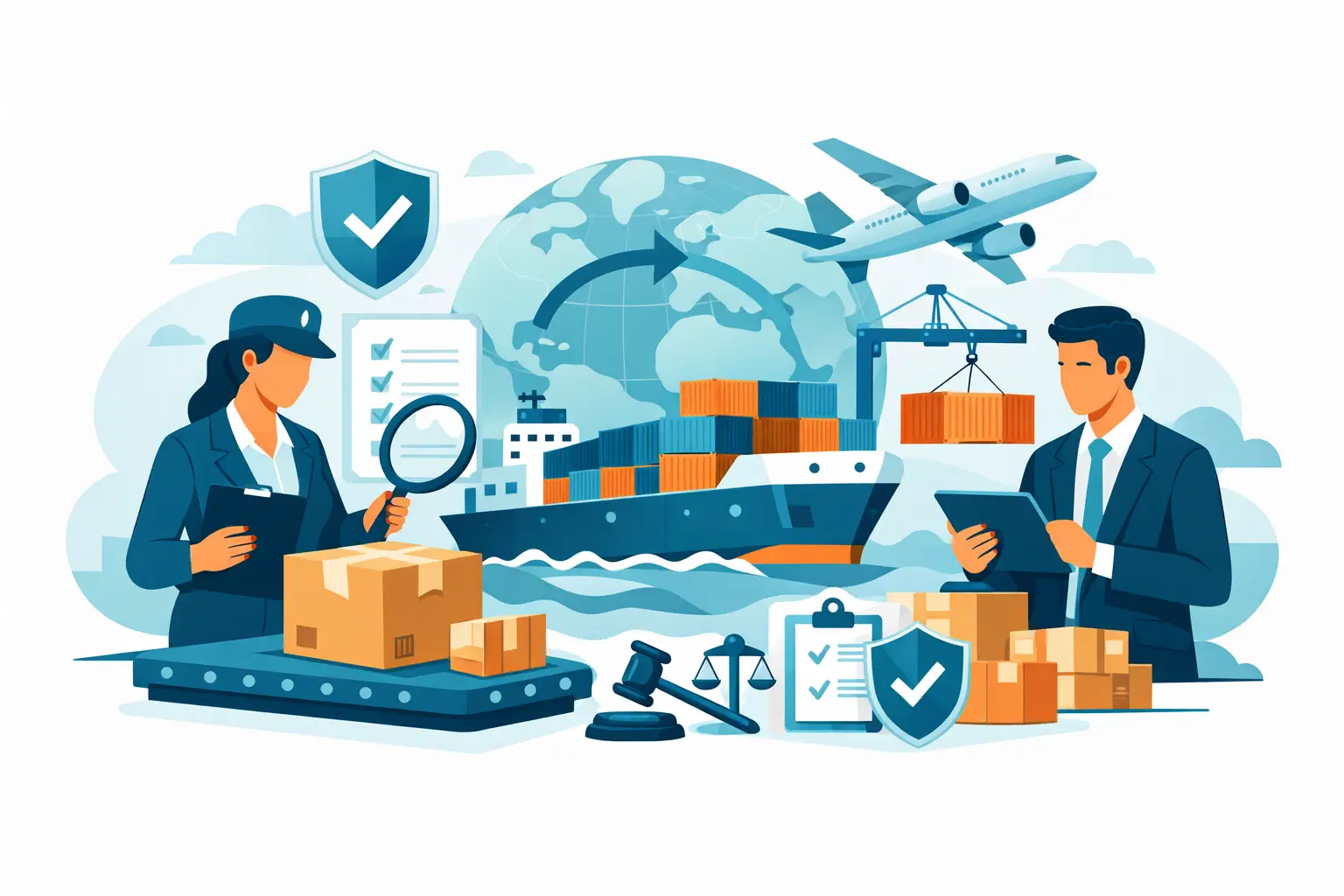
One of the most practical freight forwarding industry trends is the growing importance of customs handling as part of the forwarding service, not as a separate afterthought. In the GCC, documentation accuracy, shipment classification, and compliance readiness can directly affect release speed and delivery performance.
For many businesses, the issue is not only avoiding penalties. It is protecting timing. A delayed clearance can interrupt promotions, production schedules, and retail availability. That is why experienced customs coordination matters more in sectors with regulated products, commercial imports, or frequent cross-border movement.
There is also a trade-off here. Some companies try to reduce cost by splitting forwarding, clearance, and delivery across multiple providers. That can work in stable, predictable flows. But when shipment volume increases or cargo requirements become more complex, each handoff creates another opportunity for delay, miscommunication, or accountability gaps.
3. Warehousing and freight are moving closer together
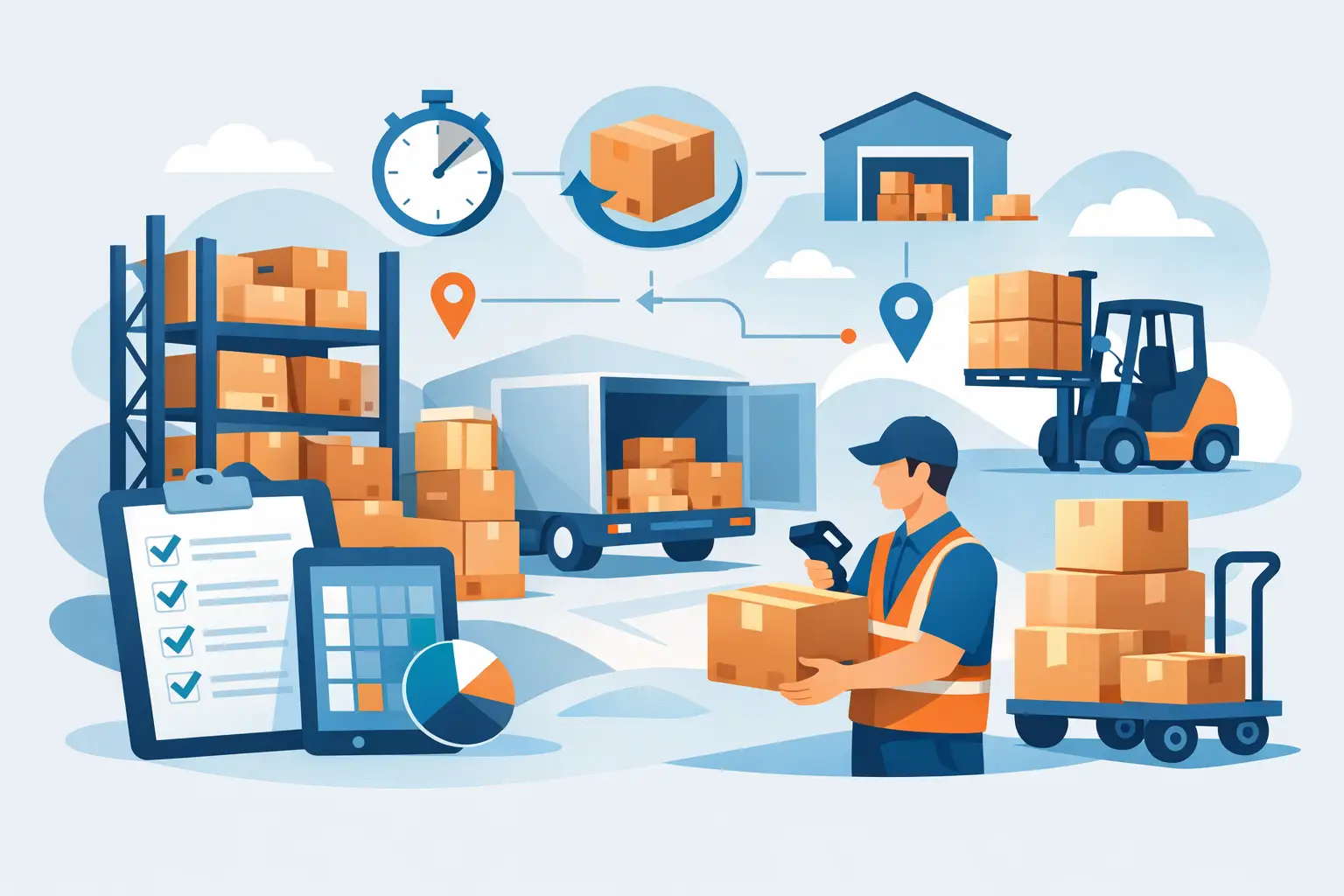
Businesses no longer view storage as separate from transportation planning. The two are increasingly linked. As shipment patterns become less predictable, companies need more flexibility between inbound freight, temporary storage, inventory staging, and final distribution.
This is one reason integrated logistics models are gaining ground. A forwarding partner that can also support warehousing gives businesses more room to manage timing differences between cargo arrival and market demand. That is useful for importers facing uneven order cycles, retailers preparing for promotions, and e-commerce businesses balancing fast-moving and slow-moving stock.
It depends on the business model, of course. High-volume importers may need structured storage and scheduled dispatch. Project cargo or seasonal businesses may need short-term space only when inbound surges hit. The wider trend is clear either way – freight forwarding is becoming more connected to fulfillment planning, not less.
4. E-commerce expectations are influencing B2B logistics
Even companies that do not sell directly online are feeling the impact of e-commerce standards. Faster delivery expectations, tighter shipment windows, and better status updates are shaping what business customers now expect from logistics providers.
For freight forwarding, this means the job does not end when cargo lands or clears customs. Businesses increasingly need support through the next stage – sortation, storage, domestic dispatch, and delivery coordination. This is particularly relevant in Kuwait and the GCC, where import-dependent supply chains often need a reliable local distribution layer after international freight is completed.
The pressure is strongest in retail, consumer goods, spare parts, and replenishment-heavy sectors. These businesses do not only need cargo movement. They need a system that helps maintain availability without tying up excessive inventory. That requires stronger coordination between inbound planning and local fulfillment execution.
5. Capacity planning is replacing spot-shipment thinking
Many companies learned a hard lesson from recent years: buying freight one shipment at a time can leave the business exposed when market conditions tighten. Capacity shifts, rate volatility, and service changes have made ad hoc transport planning less reliable for recurring commercial volume.
As a result, more shippers are moving toward structured shipping relationships, regular account management, and forward-looking volume planning. This does not eliminate disruption, and it does not guarantee the cheapest rate on every move. What it often delivers is better consistency, clearer communication, and stronger support when priorities need to be adjusted quickly.
For operations managers, this trend is practical rather than strategic theory. If your business ships frequently, a stable logistics arrangement can reduce time spent chasing updates, comparing providers for each booking, and resolving issues across disconnected vendors.
6. Modal flexibility is becoming more valuable
Air, sea, and land freight each serve different cost and timing priorities. What is changing is how often businesses need to shift between them. Demand swings, product urgency, and inventory constraints are forcing companies to make more dynamic transport decisions.
This is where flexible forwarding support matters. A business may rely on sea freight for standard replenishment, then use air freight for urgent SKU recovery, or land transport for regional GCC distribution after goods arrive. The best solution is not always the fastest or the least expensive. It is the one that protects service levels without creating unnecessary cost.
That is why more businesses are looking for forwarding partners that understand the full transport mix. When a provider can advise across modes rather than pushing a single channel, companies gain more control over both budget and lead time.
7. Accountability is becoming a core buying factor
Perhaps the most important shift is that businesses want one accountable operator, not a chain of excuses. When freight, customs, storage, and delivery are spread across separate parties, problem resolution can slow down quickly. Each provider may only see part of the issue, and the customer is left coordinating the whole picture.
In contrast, integrated execution creates operational clarity. There is a single team responsible for status, documentation flow, exception management, and service continuity. For businesses with regular import activity or high-volume movement, that model often reduces friction and improves response time.
This is where providers with broad logistics capability stand out. A company like K-Line can support freight forwarding as part of a wider operating model that includes customs handling, warehousing, transportation, and shipment visibility. For customers managing recurring demand, that structure is often easier to control than a fragmented setup.
How businesses should respond to these freight forwarding industry trends
The right response depends on shipment profile, inventory pressure, and customer expectations. A small business importing occasional commercial cargo may not need the same level of integration as a retailer managing constant replenishment or an industrial operator moving time-critical shipments.
Still, a few questions are worth asking now. Where does delay usually happen – booking, transit, customs, storage, or final delivery? How quickly does your team get usable status updates? Are you optimizing only for freight cost, or for total operational performance? And if shipment volume doubles during peak periods, can your current setup absorb the pressure without service failure?
These are not abstract planning questions. They shape working capital, customer satisfaction, and how much operational risk your business carries on every shipment.
Freight forwarding is becoming less about moving cargo from point A to point B and more about protecting business continuity under real operating conditions. The companies that adapt early will not necessarily be the ones spending the most. They will be the ones building better control into the way freight, customs, storage, and delivery work together.