


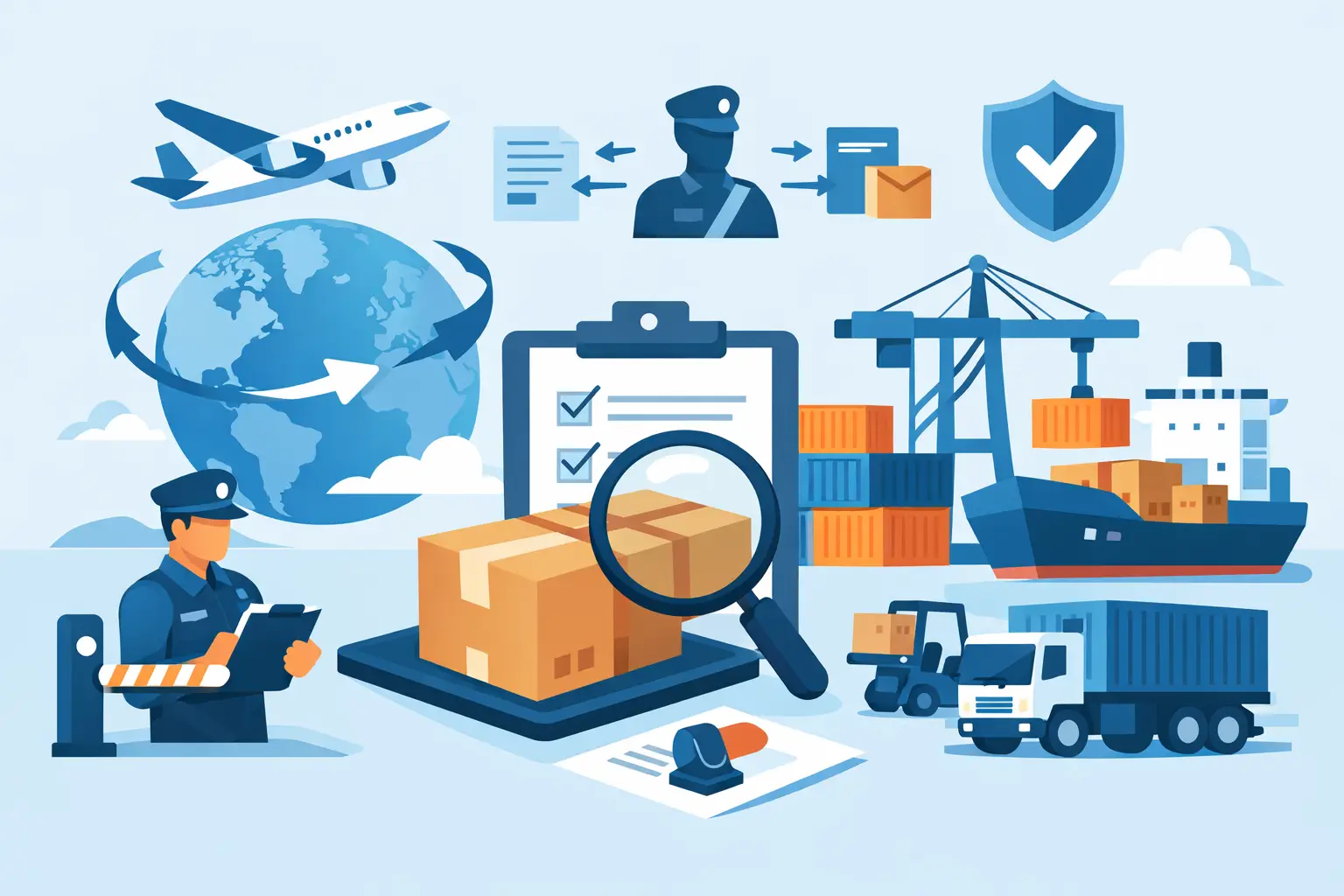
Customs Clearance for Imports Explained
A shipment can be on time, correctly packed, and fully paid for – and still stop at the border. For importers, that is where customs clearance for imports becomes a business continuity issue, not just a paperwork step. Delays at this stage can disrupt inventory planning, raise storage costs, and create avoidable pressure on procurement, operations, and customer delivery commitments.
For companies importing into Kuwait or moving cargo across the GCC, customs is rarely difficult for one single reason. More often, the problem is a mismatch between documents, product classification, declared value, permit requirements, and the actual cargo presented for inspection. When those details are handled early and accurately, clearance moves faster and with fewer cost surprises.
What customs clearance for imports actually involves
Customs clearance is the formal process of submitting shipment information to the relevant authority so imported goods can be reviewed, assessed, and released. That review usually covers the nature of the goods, their value, country of origin, applicable duties or taxes, restricted status, and whether supporting permits are required.
In practical terms, the process starts well before the cargo arrives. Importers or their logistics partner prepare the commercial invoice, packing list, transport documents, product details, and any certificates or approvals tied to the shipment. Customs authorities then evaluate the filing, may request clarification, and decide whether the goods can be released directly or inspected first.
That means customs is not an isolated handoff at the port or airport. It is part documentation control, part compliance management, and part operational coordination between supplier, shipper, consignee, warehouse, and transport provider.
Why import shipments get delayed
Most customs delays are preventable, but prevention requires discipline. A missing signature or incorrect product description may look minor at origin, yet it can trigger a hold once the cargo arrives.
One common issue is inaccurate commodity classification. If goods are classified under the wrong tariff code, duties may be miscalculated or customs may question the declaration. Another frequent problem is undervaluation or inconsistent valuation. If the invoice value does not align with the goods, purchase terms, or market expectations, the shipment may be reviewed more closely.
Description quality also matters. “Parts,” “electronics,” or “accessories” is often too vague for customs purposes. Authorities want to know what the product is, what it is made of, and how it is used. The more regulated the goods, the more precise the description must be.
Permits are another major factor. Food items, cosmetics, medical products, chemicals, batteries, telecom equipment, and certain industrial materials may require prior approvals or special handling. If those requirements are discovered after arrival, timing and cost can change quickly.
Inspection risk is part of the process as well. Even a well-prepared shipment can be selected for examination. That does not always indicate a problem, but it does mean importers should build realistic lead times into planning rather than assuming every shipment will clear immediately.
The documents that matter most
Every market has its own requirements, but a few documents consistently shape import clearance outcomes. The commercial invoice is central because it supports value declaration, seller and buyer details, terms of sale, and product identification. If invoice data is incomplete or inconsistent, customs will often pause the shipment until the record is clarified.
The packing list supports physical verification. It should show how the cargo is packed, the quantity of items, net and gross weights, and package counts. If customs opens cargo and the contents do not align with the packing list, scrutiny increases.
Transport documents such as the bill of lading or air waybill connect the shipment to the carrier movement. Certificates of origin may also be required depending on the goods and trade framework involved. For some imports, technical datasheets, conformity documents, licenses, or ministry approvals are necessary before clearance can proceed.
The key point is consistency. Customs does not review each document in isolation. It compares them. Product descriptions, quantities, values, and origin details should match across the full set.
Customs clearance for imports is a timing issue, not just a compliance issue
Many businesses think about customs only when cargo is already in transit. That is usually too late. If the first compliance review happens after departure, the importer has less room to correct errors without affecting delivery dates.
A better approach is to treat customs readiness as part of shipment planning. Before cargo moves, confirm the product classification, document format, declared value, consignee details, and any permit requirements. For repeat shipments, standardize product data so each filing is based on approved descriptions rather than re-created every time.
This matters even more for businesses with tight replenishment cycles. E-commerce sellers, retailers, FMCG distributors, and industrial buyers often work against fixed inventory windows. A short customs hold can create a larger downstream problem if warehouse intake, order fulfillment, or site delivery has already been scheduled.
How to reduce clearance risk before cargo ships
The most effective customs strategy is usually operational, not reactive. Start with product-level accuracy. Know exactly what is being imported, how it should be classified, whether it is regulated, and what customs value should be declared. If the supplier prepares documents, validate them before dispatch rather than assuming they are correct.
It also helps to centralize document control. When invoices, packing lists, certificates, and approvals are collected through one process, discrepancies are easier to catch early. This is especially important for businesses importing from multiple vendors, where document quality can vary from one supplier to another.
Another practical step is aligning logistics and customs teams. Freight timing, warehouse planning, and customs readiness should not operate separately. If a shipment is urgent, that urgency needs to be matched by complete and verified documentation. Fast transit does not help if the paperwork cannot support immediate clearance on arrival.
An experienced logistics partner adds value here by reviewing documents in advance, flagging risks, coordinating with authorities, and managing the movement after release. For businesses handling frequent imports, that kind of control reduces friction across the full chain.
When clearance gets more complex
Not all imports follow the same path. Standard consumer goods with clear documentation may move routinely, while controlled or technical products often require more preparation. High-value shipments can attract closer review. Mixed cargo can also create complications if one line item requires special approval and the rest do not.
Country of origin can change the documentation burden. So can the mode of transport. Air freight is faster, but speed can expose document errors quickly because there is less time to correct them before arrival. Sea freight gives more planning time, but delays at port can become expensive when storage, demurrage, or delivery scheduling is affected.
There is also a trade-off between cost and control. Some importers try to minimize effort by treating customs as a back-end task. That can work for simple, low-risk cargo, but it becomes expensive when shipments are frequent, regulated, or time-sensitive. In those cases, stronger pre-clearance control usually saves money overall.
Choosing the right customs support model
Businesses that import regularly need more than form submission. They need visibility, consistency, and escalation control when issues arise. That is why many companies prefer a logistics provider that can coordinate freight, warehousing, transport, and customs in one operating model.
When customs and cargo handling sit under separate providers, handoffs can slow decisions. If a document issue appears, who contacts the supplier? If an inspection is scheduled, who adjusts delivery timing and warehouse intake? If release happens late in the day, who manages final transport? Those gaps matter when shipment timing is tied to sales, production, or contractual delivery dates.
For importers in Kuwait and the GCC, working with a partner that understands local procedures and regional cargo flows makes a practical difference. K-Line supports businesses that need this level of execution, especially where imports are frequent, compliance-sensitive, or tied to strict operating timelines.
What good clearance looks like
Good customs performance is not simply a shipment that gets released. It is a shipment that clears with accurate declarations, predictable timing, and no avoidable rework. The best indicator is not whether customs ever asks questions. It is whether the importer has the documentation, visibility, and process discipline to answer them quickly.
That standard becomes more important as shipment volume grows. One delayed box may be manageable. Repeated delays across multiple consignments can distort inventory, strain customer service, and increase landed cost in ways that are hard to recover later.
Customs clearance for imports works best when it is treated as part of supply chain control from the beginning. If your business depends on timely inbound cargo, the smartest move is to solve for accuracy before the shipment moves – because the border is the most expensive place to discover a preventable mistake.