


What Is Multimodal Transport?
A shipment leaves a warehouse on a truck, moves by sea to another country, clears customs, then finishes the last stretch by road. For many businesses, that is not an exception. It is routine. If you are asking what is multimodal transport, the short answer is this: it is the movement of cargo using two or more modes of transport under a single contract and with one party responsible for the full journey.
That definition matters because the real value is not just using more than one mode. Most international shipments already involve road, sea, or air at different points. What makes multimodal transport different is operational control. One logistics provider manages the shipment from origin to destination, even when different carriers, ports, terminals, or delivery networks are involved.
What Is Multimodal Transport in Practice?
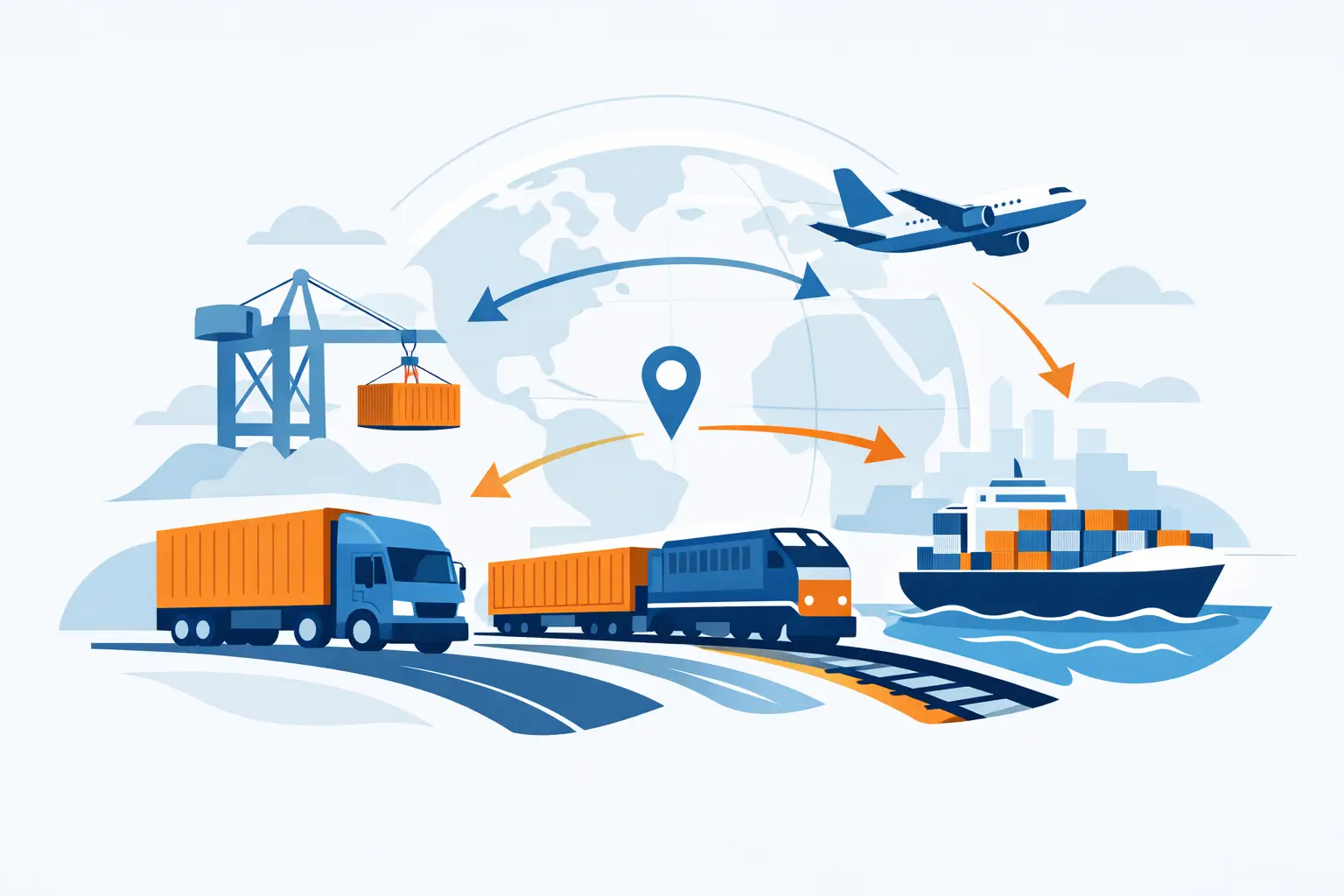
In practice, multimodal transport combines methods such as road, sea, air, and rail into one coordinated shipment plan. A business in Kuwait might move goods by truck from a supplier to a port, by vessel to a regional market, and by truck again for final delivery. The customer receives one agreement, one point of coordination, and one accountable operator for execution.
This approach is common in cross-border trade because cargo rarely moves from one location to another using only a single transport mode. Even air freight often starts with a pickup vehicle and ends with local delivery. The difference is whether those stages are fragmented across multiple providers or managed as one connected service.
For operations teams, that distinction affects timelines, communication, cost control, and risk. When several providers are involved without clear central ownership, delays can spread quickly across the chain. When one operator manages the full route, handovers tend to be tighter, documentation is usually more consistent, and issue resolution is faster.
How Multimodal Transport Works
The process starts with planning the route based on cargo type, delivery deadline, destination, customs requirements, and cost target. The logistics provider chooses the right combination of transport modes and schedules the handoffs between them.
A typical flow may include origin pickup, consolidation if needed, main transport by sea or air, customs clearance at destination, short-term storage, and final delivery. The customer does not need to contract separately with each carrier in the chain. Instead, one provider manages those movements under a single transport arrangement.
This is especially useful when shipments move through several jurisdictions or require warehousing and customs support between transport stages. Businesses do not just need movement. They need continuity. That means visibility across each leg, fast response when timings shift, and a clear process for handling documents and exceptions.
Multimodal vs Intermodal: The Difference That Matters
People often use multimodal and intermodal as if they mean the same thing, but they are not identical.
Multimodal transport refers to cargo moved using multiple transport modes under one contract and one responsible operator. Intermodal transport also uses multiple modes, but each leg may be covered by separate contracts with different providers. The cargo may stay in the same loading unit, such as a container, but commercial responsibility is split.
For a shipper, the practical difference is accountability. In an intermodal setup, if there is a disruption between stages, responsibility can become harder to trace. In a multimodal setup, one provider remains accountable for coordinating the journey and managing the interfaces.
That does not mean multimodal is always better in every situation. Large organizations with in-house logistics teams sometimes prefer separate contracts because they want direct control over each leg and stronger purchasing leverage with carriers. But for many businesses, especially those that need dependable execution across borders, a single accountable provider reduces friction.
Why Businesses Use Multimodal Transport
The main reason is control across complexity. International and regional shipping rarely follows a straight line. Cargo may need to move from factory to warehouse, from warehouse to port, from port to customs inspection, and from clearance point to final consignee. Each handoff introduces a chance for delay, cost variation, or communication gaps.
Multimodal transport helps reduce that risk by placing coordination under one operational structure. This can improve scheduling, simplify billing, and make shipment tracking more useful because updates are connected rather than fragmented.
For businesses in Kuwait and the GCC, this matters in several ways. Cross-border shipping often includes a mix of land freight, sea freight, storage, and customs processing. Retailers and e-commerce operators may need inventory moved into warehouse stock and then distributed locally. Industrial and project cargo may require staged movement with precise timing. A multimodal setup can support these needs more effectively than a collection of disconnected bookings.
Cost can also be a factor, but it depends on the shipment. Multimodal transport does not always mean the lowest rate on paper. In some cases, separate contracts may appear cheaper at the start. But once administrative effort, delay risk, demurrage exposure, and coordination time are considered, the total operational cost may favor a single managed solution.
The Main Advantages of Multimodal Transport
One major advantage is simplified responsibility. Instead of managing several carriers and intermediaries, the shipper works with one provider that owns the execution plan.
Another advantage is better visibility. When the full movement is coordinated through one operator, status updates are easier to consolidate. That helps procurement teams, supply chain managers, and customer service teams make better decisions around stock levels and delivery expectations.
Flexibility is also important. If one leg is disrupted, an experienced logistics provider can sometimes reroute or adjust the plan without forcing the customer to rebuild the entire shipment structure. That is valuable during seasonal peaks, port congestion, weather disruption, or border delays.
There is also a compliance benefit. Documents, customs procedures, handling instructions, and cargo transitions are easier to align when one party manages the transport chain. For compliance-driven shipments, that consistency can protect both timing and cargo integrity.
Where Multimodal Transport Has Trade-Offs
Like any logistics model, multimodal transport is not automatic proof of efficiency. It works best when the provider has strong coordination capability across all stages.
The first trade-off is dependency on one operator. That can be a strength when the provider is reliable, but it can become a weakness if communication is slow or local execution is weak in a key market. The model only works when the operator has real control over partners, documentation, and contingency handling.
The second trade-off is route flexibility at the customer level. Some businesses want to choose each carrier separately or negotiate each transport leg on its own terms. A multimodal agreement usually means the provider designs the route for overall performance, not for customer control over every detail.
There can also be service differences based on cargo type. Time-critical goods may justify air plus road even at a higher cost. Heavy or lower-value cargo may be better suited to sea plus road. Fragile goods may require more controlled handling between stages. So while multimodal transport offers structure, the right design still depends on the commercial reality of the shipment.
When Multimodal Transport Makes Sense
It is often a strong fit when a shipment crosses borders and cannot realistically move on one mode alone. It also makes sense when a business needs customs handling, warehousing, and final delivery coordinated as part of the same operation.
This model is particularly useful for companies with recurring shipments, regional distribution requirements, or limited internal logistics resources. If your team wants fewer handoffs, clearer accountability, and a more stable delivery process, multimodal transport is worth considering.
For growing businesses, it can also support scale. As order volume increases, fragmented transport management becomes harder to control. A coordinated model can help maintain consistency without adding the same level of internal administrative burden.
Choosing the Right Multimodal Transport Partner
The service is only as strong as the operator behind it. Businesses should look beyond price and ask practical questions. Can the provider handle customs clearance? Do they offer warehousing if cargo needs staging? How is shipment visibility managed? Who takes responsibility when one leg is delayed? Can they support both urgent freight and routine volume?
A capable partner should be able to explain not just the route, but the operational logic behind it. That includes timing assumptions, handling procedures, document requirements, and fallback options if conditions change.
For businesses moving goods across Kuwait and the wider GCC, integrated providers such as K-Line can add value because the transport plan is connected to storage, clearance, and delivery functions rather than treated as isolated transactions.
Multimodal transport is not just a shipping term. It is a way to reduce gaps between movement stages and keep cargo flowing with fewer operational surprises. When timing, visibility, and accountability matter, that structure can make the difference between a shipment that simply moves and one that arrives under control. And in logistics, control is usually what protects the business result.